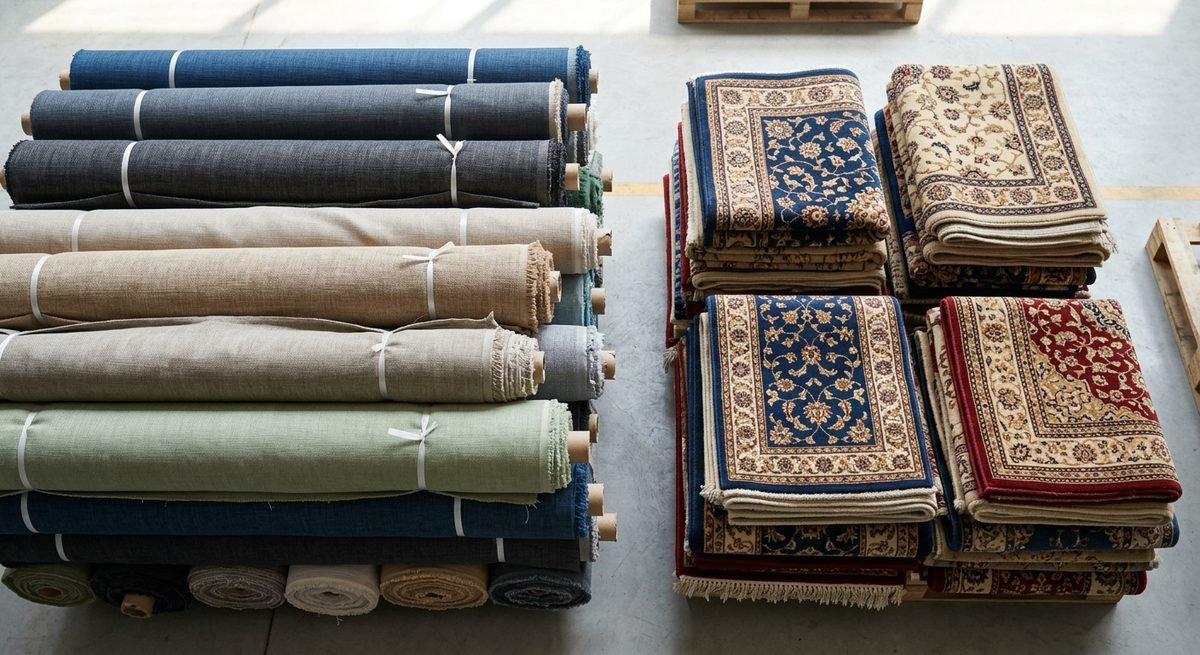
Most curtain orders that go wrong don’t fail in the sewing room. They fail earlier, at the fabric table, where a substitution or a loose specification quietly changes what somebody will eventually hang in their window. First-time buyers who import curtains from China tend to obsess over stitching and price. Fair enough. But after years of inspecting home textile shipments out of Guangzhou, I can tell you the sewing is rarely the weak point. The fabric is. The measurements are. And batch consistency, always. What follows is the list of failures we actually see and the check that stops each one.
The fabric swap nobody photographs
A panel can be quoted on a 230 gsm blackout weave and produced on a 180 gsm cloth with a heavier coating, and the two look identical in a supplier photo. The lighter cloth drapes worse, blocks less light and wears out sooner. The fix is boring and it works: write the composition, the weight in grams per square metre and the coating type into the contract, keep a sealed counter-sample of the approved fabric, and have an inspector weigh cut swatches from the production run against it. Fabric for these orders often comes down from the mills around Shaoxing while the cutting and sewing happens in Guangdong, so that sealed swatch is the one thread tying the whole chain together. Guard it.
Where sizing goes sideways
Curtains are one of the few products where a two centimetre error makes the goods unsellable in some markets. Two centimetres! The trouble usually starts with metric versus imperial confusion, or with nobody agreeing whether the stated drop includes the header. Eyelet, pencil pleat and tab top headers all eat different amounts of fabric, and a factory that normally sews for one market will apply its own habits to yours unless you say otherwise.
A drawing that leaves no room to guess
The strongest tool here is a one page drawing per style: finished width, finished drop measured from the top of the header, hem depth, side seam width, eyelet inner diameter and spacing, everything in millimetres. Factories follow a drawing far more reliably than a paragraph of text. An inspector can lay a tape against it in minutes.
The short list that keeps coming back
Across hundreds of home textile inspections, the same faults return like clockwork:
- Dye lot drift, where panels from different fabric batches hang side by side with a visible shade step
- Blackout coatings with pinholes that only show when you hold a lamp behind the panel
- Creases set into panels that were folded and packed warm, straight off the pressing table
- Mismatched pattern repeats on pairs meant to hang as mirrors
- Care and fibre content labels that ignore the destination market’s rules
Every one of these is cheap to catch in the factory and painful to discover in a customer’s living room. A mid-production check on the first cut panels, plus a pre-shipment inspection against an agreed defect list, closes off most of them.
One order, one dye lot
Shade control is the quiet discipline of this product. Fabric dyed in separate lots never matches perfectly, so the rule we push for is blunt: the full quantity for one colour of one order gets dyed in a single lot, with the lot number recorded on the roll tickets. Planning repeat orders? Keep a lit viewing sample from the first shipment. And if you’re in town, give yourself half a day at the Zhongda fabric market. The aisles there are barely a trolley wide, rolls stacked past head height, and porters push through with full loads shouting for space, so you learn to step into a stall fast. Handling twenty blackout weaves in an hour teaches you more than any PDF swatch card ever will. That’s my honest advice: don’t lock a fabric spec you haven’t touched.
Blinds bring their own failure list
Roller, zebra and Venetian blinds add mechanisms, and mechanisms add new ways to disappoint. Weak clutch springs. Chains that slip under load. Bottom bars that bow across wide spans, slats cut fractionally out of square. Child safety requirements for corded window coverings are strict in many markets and get checked at retail level, so confirm the standard that applies where you sell and have the factory build to it from the first sample. Every inspection plan for this product should include a functional test, raising and lowering a set percentage of pieces fully. No shortcuts on that one.
Prevention is a routine, not a promise
None of the problems above needs luck to avoid. They need a tight specification, an approved counter-sample, one dye lot per colour, a drawing for every size, and two inspection visits at the right moments. That’s the routine our team runs for home textile clients, and because we live here we can be at a Guangdong sewing plant the same week a question comes up. Once production wraps, our consolidation and export handling brings curtains, blinds and hardware from different factories into one warehouse, checks the carton marks, and ships everything as a single tidy consignment.
There’s an upside hiding in all this discipline too. A buyer who controls fabric weight, shade and labelling is already most of the way to a private label range. If that’s the direction you want, you can build your own brand with our team, from woven labels and printed inserts through to packaging and a web store, using the same factories that already sew your goods.
What curtain importers keep asking us
Can I order several colourways without a huge minimum per colour?
Often yes, if the colours share the same base cloth. Factories commonly set a minimum per fabric type and let you split it across shades, though dark or unusual colours may carry their own dyeing minimum. It varies by mill and specification, so agree the split before sampling starts.
How do I stop shade differences between my first and second order?
Keep a sealed, signed fabric sample from the approved lot, record the dye lot numbers on your paperwork, and have each new production lot checked against that sample under a standard light source before sewing begins. It’s ten minutes of work that saves a container of arguments.
Are made-to-measure curtain programmes realistic from a distance?
Some factories run cut-to-size programmes for regular clients, sewing to individual measurements against weekly order files. It suits established sellers with steady volume rather than a first order, and it needs a factory picked specifically for that workflow. Walk before you run.
If curtains or blinds are on your sourcing list, send us a message through the contact form or WhatsApp. We’re in Guangzhou, a short drive from the sewing plants and the fabric market, and we’d be happy to host you here, walk the factories with you and check every panel before it ships.
Read next
Faucet Samples, MOQs and Payment Terms When Buying from China
Understand sampling, minimum order quantities and payment terms before you import faucets from China, with notes from the…

Stainless Steel Cookware from China: A Quality Inspector’s View
Find the defects that matter before you import stainless steel cookware from China: steel grades, polishing faults, base…

Private Label Glassware from China: Decoration to Packaging
Plan to import glassware from China under your own brand: decoration methods, glass tooling, packaging and sampling…