
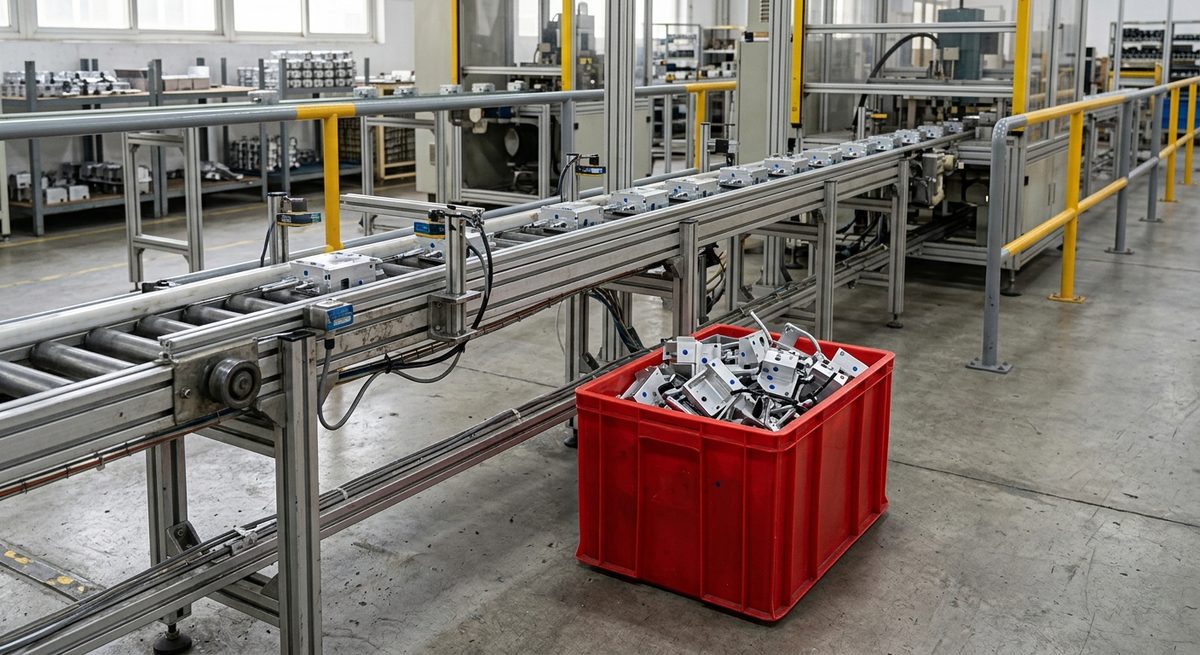
The call usually comes on a Monday. The container’s open, the pallets are half unloaded, and something is wrong: the blue is the wrong blue, or the cartons on row three came out soft and smelling of damp cardboard, or the units simply aren’t the units. The buyer is angry, the warehouse crew is standing around on the clock, and the factory is asleep on the other side of the world. What you do in the next forty-eight hours decides most of what you’ll recover. Type supplier dispute China into a search engine and you’ll find plenty of fury and very little method. Method is what actually gets money back.
Freeze the evidence before you touch anything
The instinct is to unload fast and sort later. Resist it. Photograph the container number and seal while the doors are barely open, then the load face as found, then each problem as it appears, with something for scale. Video the unloading of at least the affected rows. Keep damaged cartons; don’t bin them. If moisture is involved, photograph the container walls and ceiling too, because condensation damage and pre-loading damage argue very differently.
Count precisely. “Lots of them are bad” gets you sympathy. “412 units of 4,000, defect photos attached, batch codes noted” gets you a settlement. Factories respond to arithmetic.
Sort the problem into one of four boxes
Not all wrong is the same wrong, and the remedy depends on the box:
- Transit damage. Crushed, wet, shifted. This is often the carrier’s or the packer’s problem, claimed through cargo insurance, and the clock on those claims runs fast. Notify your insurer and forwarder in days, not weeks.
- Quality defects. The goods are your product, made badly. This is the factory’s box, and your bargaining power rests on what inspection was done and what your order documents said.
- Specification drift. The goods work but aren’t what you specified: wrong shade, substituted component, changed packaging. Factory’s box again, but only if the spec was in writing. A verbal “you know what we agreed” collapses here.
- Shortage or wrong goods entirely. Rare, serious, and usually a paperwork or loading failure somewhere in the chain. The packing list, tally records and seal number become the whole case.
Mixed shipments happen too. Separate the boxes even then, because bundling a wet-carton insurance claim into a quality argument with the factory muddies both.
Approach the factory like a partner, loudly documented
The tone that works
Chinese factories deal with problems constantly; production is problems. What closes doors is public shaming and threats in the first message. What opens them is a calm, well-evidenced file sent to your salesperson and, in parallel, to the boss: this is what arrived, this is what we ordered, this is the gap, what do you propose? Give them room to offer before you demand. The first offer is rarely the last, but an offer means the negotiation has started.
The asks that get accepted
Realistic remedies, in the order factories find them digestible: replacement units in the next shipment, a discount against this invoice or the next order, a credit for the balance if it’s unpaid, contribution to local rework costs, and, for serious cases, a reshipment. Cash refunds sit last on the list and hardest. If you still hold an unpaid balance, you hold the strongest card in the whole game, which is why payment structure is decided long before any container sails.
Your next order is your strongest card
A factory weighs your claim against your next order. If there’s plausibly a next order, settlements come easier and larger. This is also the honest argument for concentrating your buying instead of scattering ten tiny orders across ten workshops, a point we come back to in Choosing Products to Import from China: A Working Method: fewer, deeper supplier relationships fail you less and compensate you better.
Decide the fate of the goods with a calculator
While the negotiation runs, the pallets still exist. Grade them: sellable as-is, sellable after rework, sellable discounted, dead. Local rework is often cheaper than pride suggests; re-boxing, re-labelling or swapping a component at destination can rescue a season even at Western labour rates. Get quotes for that work early, because the numbers feed straight into what you ask the factory for. And check whether your market allows the “discounted” grade to move through an outlet channel without touching your brand’s main shelf.
Dead stock should die quickly. Storage eats money monthly, and a write-off you take in week three hurts less than the same write-off in month eight with rent on top.
Build the next order so this can’t repeat
Every arrival problem is a missing control announcing itself. Wrong shade: no signed golden sample. Substituted component: no change-control clause. Wet cartons: no loading supervision and maybe no desiccant spec. Defects at volume: no pre-shipment inspection, or one done by the factory on itself. The fix list writes itself, and it’s cheaper than the problem was. A pre-shipment inspection on the next order costs a small flat fee against a five-figure invoice. We’ve never understood skipping it twice.
Buyers who’ve been through one bad arrival tend to become our easiest clients, honestly, because they’ve stopped debating whether the boring controls matter. The case for having someone on the ground before, during and after production is laid out in Why Working With a China Agent Is the Smartest Move You Will Make for Your Business, and arrival day is the day that case usually makes itself.
Three things buyers ask us mid-crisis
Should I refuse the container at the port?
Almost never. Refusal triggers storage, demurrage and eventually disposal costs while solving nothing. Take delivery, document ferociously, and fight from your own warehouse where the clock isn’t running against you.
The factory offers a discount on my NEXT order. Is that acceptable?
It’s their favourite offer because it binds you to them and costs nothing today. Take it only when you genuinely intend a next order, and convert part into something immediate: partial credit now, the rest as discount. Never let the whole remedy live in the future.
Is legal action worth it?
At typical wholesale values, rarely, and factories know it. Arbitration clauses help more than court threats. Your practical power is evidence, unpaid balance, and the next order. Spend those well and you’ll usually land somewhere both sides can live with.
We’re in Guangzhou, an hour from most of the factories in question, and we’ve sat at the tea table for these conversations more times than we can count. If a shipment has arrived wrong, send us the photos and the paperwork before you send the factory your anger. We’ll help you build the file, and if it needs a face at the factory in Dongguan or Foshan, we’ll go.
Read next
How to Verify a Reliable Agent in Guangzhou
A complete guide for importers, brand owners, and sourcing professionals who want full transparency when working with agents…
The Paper Trail That Proves a Chinese Supplier Is Real
The documents we ask for to verify a Chinese supplier before money moves: licence, export record, bank details, test…
Warning Signs in a Supplier’s First Three Emails
The supplier red flags China veterans spot in the first three emails: instant quotes, dodging spec questions, name…