What separates the product that pays for its own container from the one that ends up stacked in someone’s garage? Nearly always, the numbers knew before the buyer did. Choosing products to import from China is a margin exercise first and a passion project second, and the maths isn’t hard. It just has to be done honestly, line by line, before any deposit leaves your account.
Start at the shelf and work backwards
Most new importers take a factory price and multiply upwards, hoping the market will accept the result. Do the opposite. Find the realistic selling price in your home market, then subtract selling fees, marketing, storage and the profit that makes the whole thing worth your time. Whatever remains is the ceiling for your landed unit cost. If the factory quote plus freight plus duty doesn’t fit under that ceiling with room to spare, the product fails. However much you love it.
One warning about duty. Rates differ by product classification and destination country, and they change. Don’t trust a forum post or a guess. Ask your own customs broker to confirm the tariff code and the current rate before you commit, and put that figure into the sheet on day one.
Four filters, no exceptions
When clients bring us a long list of ideas, every candidate goes through the same four gates. It has to pass all of them:
- Margin headroom. After every cost, is there enough left to survive a price drop or a pricier advertising month? Thin margins on paper become losses in practice.
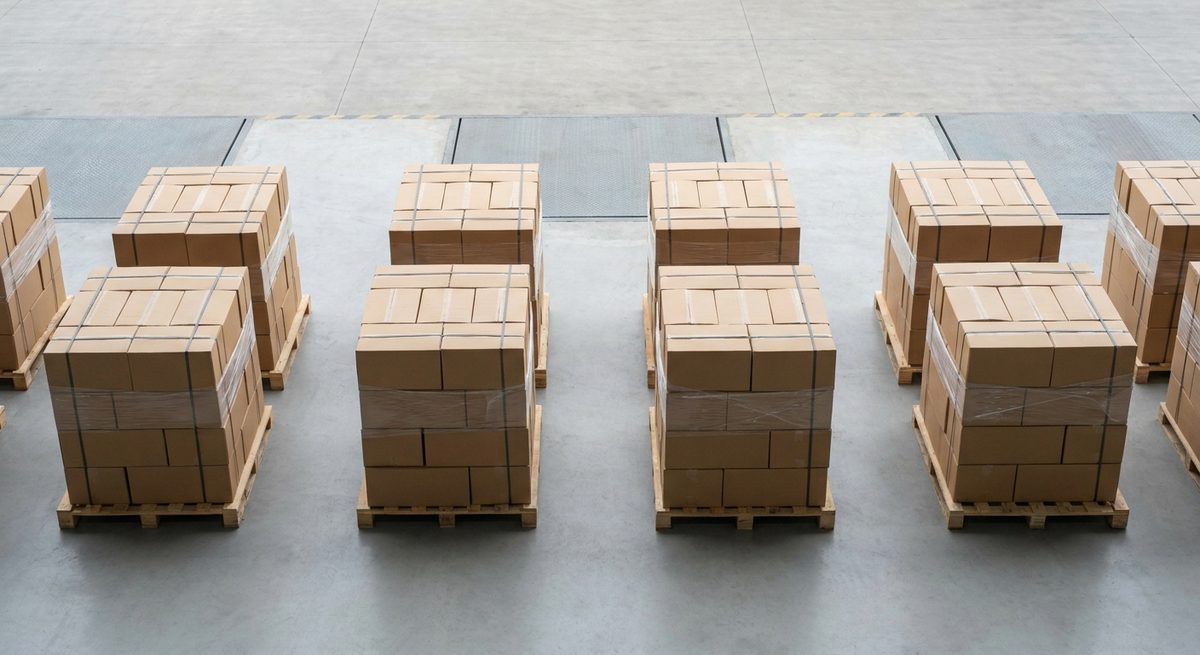
- Freight friendliness. Ocean freight is priced largely by volume, so light, dense, hard-to-break products travel cheaply. Bulky, heavy or fragile ones eat their own margin inside the container.
- Compliance load. Toys, electrical goods, cosmetics and anything for children carry testing and paperwork in most markets. Manageable, but the cost and lead time belong in your plan, not in your surprises.
- Repeat purchase logic. A product people buy once puts you on a treadmill of hunting new customers. Consumables, refills and product families give a first order somewhere to grow.
Pretty ideas with ugly costs
Batteries, liquids and magnets
Lithium batteries, liquids, powders and strong magnets all bring extra shipping rules and extra paperwork at destination. That doesn’t make them bad products. Plenty of importers do well with them. But a first order already carries enough lessons, and I’d rather you learned those lessons on something that doesn’t need special handling on top.
Value against volume
Walk a Foshan warehouse and you can hear the difference between categories. In the glassware aisle the forklifts crawl and every carton is stencilled with fragile marks. Two rows over, cartons of silicone kitchen tools get thrown, literally thrown, onto the stack and nobody flinches. Similar retail prices. Completely different freight and breakage economics. So ask of every candidate: how much retail value fits into one cubic metre? A poor score needs a strong excuse to stay on the list.
Simple-looking products that aren’t
A woven bag or an aluminium bottle is one material and one process, easy to specify and easy to inspect. A product that mixes electronics, textiles and printing multiplies the ways a batch can go wrong. Complexity is affordable once you’ve built systems. While you’re still learning, it’s expensive.
Let the map around Guangzhou vote
Southern China is organised in clusters, and picking a product inside a strong cluster buys you depth of choice, sharper pricing and mature supporting trades. Guangzhou itself is strong in apparel, leather goods, beauty products and packaging. Foshan is furniture and ceramics, Zhongshan is lighting, and Shenzhen and Dongguan carry electronics and precision hardware. If two ideas score level on margin, take the one whose cluster you can reach easily, because sampling, inspection and reordering all become faster and cheaper. A China sourcing agent in Guangzhou can tell you within a day which of your candidates has a deep supplier base inside a two hour drive and which would leave you working a thin field of distant makers.
Sample, argue with yourself, then commit
Down to two or three candidates? Buy samples from several factories for each. Line them up and be harsh: materials, stitching or moulding, finish, packaging, actual weight against the claimed spec. Show them to people who look like your target customer, and listen more than you talk. This stage costs a little money and a few weeks. It regularly stops someone ordering a container of the wrong thing.
Think one move ahead while you’re at it. A generic product competes on price alone, and price competition is brutal for a small importer. A product you can set apart with your own logo, better packaging or one small design change defends its margin far longer. If that’s the direction you want, our brand building support covers the design, packaging and web store side, so the product you finally choose can launch as a brand rather than a commodity.
What first-time importers ask us
Is a crowded category automatically a bad pick?
No. Crowded means demand is proven. The real question is whether you can enter with a meaningful difference: a better specification, a bundle, stronger packaging, a niche the big sellers ignore. Arriving with an identical generic product usually ends in a price war you can’t win.
How many products to import from China should a first order contain?
One core product, maybe in two or three variations. Splitting a small budget across unrelated items multiplies supplier relationships, inspection costs and paperwork while shrinking your buying power on each line. Prove the process once, then widen the range on your second order.
Should I pick a product I know nothing about?
Knowing the customer matters more than knowing the factory process. You can hire inspection and sourcing expertise in China. Faking an understanding of what your buyers actually want is much harder. If you’re your own target customer, you’ll judge samples honestly, and that’s a real edge.
Got a shortlist? We’ll give it a grounded second opinion. We’re based in Guangzhou, we walk factory floors in Foshan, Dongguan and Zhongshan every month, and we’re glad to meet you here in person and take you to the factories behind your candidate products. The contact form or WhatsApp both reach us.
Read next

When You Do Not Need an Agent in China
Do I need a China agent? Often the honest answer is no. A Guangzhou sourcing team explains which orders you can run alone…
What Slows a Shipment Down After It Leaves the Factory
Most shipping delays from China happen between the factory gate and the vessel. A Guangzhou team maps where the days go and…
MOQ & Price: How to Negotiate Effectively
Many importers new to sourcing in China are surprised when factories quote minimum order quantities (MOQ) and unit prices…