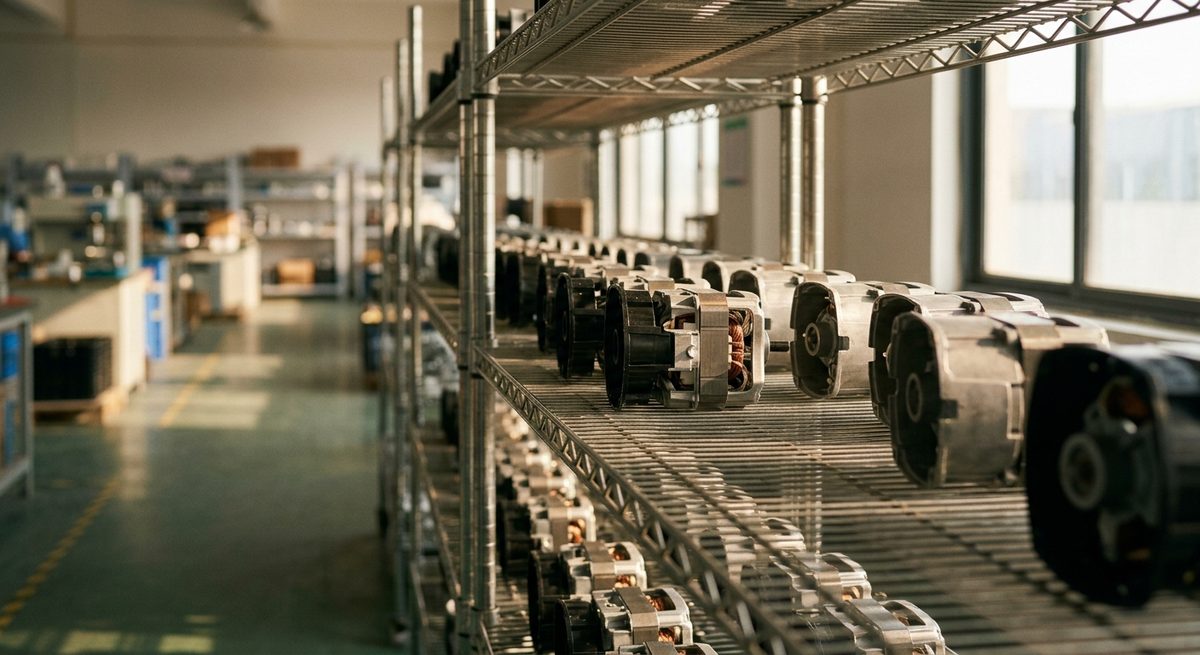
A small kitchen appliance is one of the most heavily examined things you can put in a container. Think about what it does. A kettle touches drinking water, a blender jar touches food, an air fryer runs hot on a plastic counter, and every one of them plugs into a wall socket in somebody’s home. That’s why people who import kitchen appliances from China end up spending a surprising share of the project on test reports and documents rather than on the product itself. Here’s how the paperwork works for a kettle, toaster, blender or air fryer, and how we organise it from Guangzhou, an easy drive from the appliance factories of Foshan Shunde.
The file you want finished before production starts
Requirements differ by destination, but the shape of the file is similar everywhere. A well-prepared order usually has:
- An electrical safety test report against the standard your market uses for household appliances.
- An EMC report showing the appliance won’t disturb other electronics.
- Food contact material reports for every part that touches food or water.
- A Declaration of Conformity or equivalent, issued for your product and your company name.
- Rating label artwork with the correct voltage, wattage, marks and importer details.
- A user manual with the safety warnings your market expects, in the right languages.
The classic mistake is assuming the factory’s existing reports cover you. Often they don’t. They cover the factory’s own model number and brand, or they reference a standard that’s since been revised. Reports need to match the exact product, the exact model name and, in many markets, the importer named on the label. Check this before the deposit. It’s a ten-minute job at that point and a nightmare afterwards.
One appliance, several rulebooks
Each market runs its own regime, and your appliance may sell in several. Europe wants CE marking backed by test reports and a technical file, with the UK running its own UKCA framework alongside. North America generally expects testing through a recognised laboratory scheme, and the big retailers there simply won’t take stock without it. Other regions, from the Gulf to Australia, have their own registration or approval systems, some with plug and voltage quirks. None of it is exotic. But every mark has a timeline and a cost, so list your target markets before you sign the purchase contract, not after the goods land. A Shunde factory can often show existing certificates for some markets already, which shortens the path a lot.
The tests behind the blender jar
Electrical safety gets the attention. Food contact causes just as many delays. Every material that touches food gets assessed on its own: the Tritan or glass of a blender jar, the stainless body of a kettle, the non-stick coating in an air fryer basket, the silicone seal in a lid. European buyers usually work to LFGB or the general EU food contact rules, American buyers to FDA-linked requirements, and what the labs measure is what migrates out of the material into food under heat and time.
Get the reports part by part
Ask for food contact reports listed by component, never one vague certificate for the whole appliance. If the factory swaps a seal supplier mid-production, the old report no longer describes your goods, and a changed gasket looks identical from the outside. We write the approved material list into the contract and check it again at inspection. My favourite hour of a kettle inspection is the boil test: twenty kettles going at once on a steel bench, the window fogged over, and you stand there in the steam listening for the thermostats to click off one by one. The one that doesn’t click is the one you came for.
The quieter requirements nobody budgets for
Behind the headline safety tests sit the quiet ones. EMC keeps your toaster from crackling through a radio on the same counter. Some markets regulate standby power for appliances with displays or timers. Retailers may hold blenders to noise expectations even where the law says nothing. And the packaging itself carries rules now: recycling symbols, material marking, and in some countries registration of the packaging you place on the market. A good testing lab will map which of these touch your exact product. The tariff classification is your own customs broker’s territory, so confirm the code and rate with them for your country.
How the plan actually runs, Shunde to lab to port
The sequence we run for clients is fixed by now. Collect the factory’s existing certificates first and check model numbers, standard versions and dates line by line. Agree what gaps need fresh testing. Golden samples go from the factory floor to an accredited lab, and the testing runs while packaging artwork and manuals get finalised, so nothing waits on anything else. Reports come back, label artwork gets a final check against them, and only then does mass production start. Before shipment, a full inspection confirms the goods, labels and documents all agree with each other. If you’re curious who stands behind that routine, the short version of our story is on the who we are page.
After inspection, the same file follows the goods. Export clearance from China wants consistent commercial documents, and appliance shipments move smoothly when the invoice, packing list and certificates describe the same product the same way. Our shipping agent in Guangzhou service covers that stage, from factory pickup in Foshan to a clean set of export papers matched to your import file at destination.
Compliance questions buyers put to us
Can one test report cover a whole family of kettles in different colours?
Usually, yes. If the electrical design, materials and construction are identical and only the colour changes, the report should simply list every model name in the family. Add a new colour later under a new model name and you’ll commonly need at least a lab review, though not a full retest.
Whose name goes on the rating label?
In most markets the label carries the brand, the model, the electrical ratings, the required marks, and the name and address of whoever places the product on the market. That’s typically you, the importer. Agree the label artwork in writing before production. Reprinting labels on packed goods is slow and it isn’t cheap.
How long do appliance test reports stay valid?
They don’t expire on a fixed date in most schemes, but they die the moment the product or the standard changes. Household appliance standards get revised every few years, so if you’re repeating an order after a long gap, have the lab confirm your reports still reference the current versions. People who import kitchen appliances from China year after year build this check into every reorder.
We’ve been sourcing and checking appliances from Guangzhou and the Shunde belt since 2007, and we treat the document file as part of the product. Send us your appliance idea and target markets through the contact form or WhatsApp. We’ll map the testing route, get quotations from vetted factories, and when you fly over, meet you in Guangzhou and walk the production lines with you.
Read next
Private Label Glassware from China: Decoration to Packaging
Plan to import glassware from China under your own brand: decoration methods, glass tooling, packaging and sampling…
Plastic Housewares from China: Packing and Freight, Explained
Import plastic housewares from China without shipping air: nesting design, carton specs, FCL and LCL choices and loading day…
Sourcing Home & Kitchen Products from Guangzhou, China
Home and kitchen products are among the most popular categories imported from Guangzhou and the surrounding Guangdong…