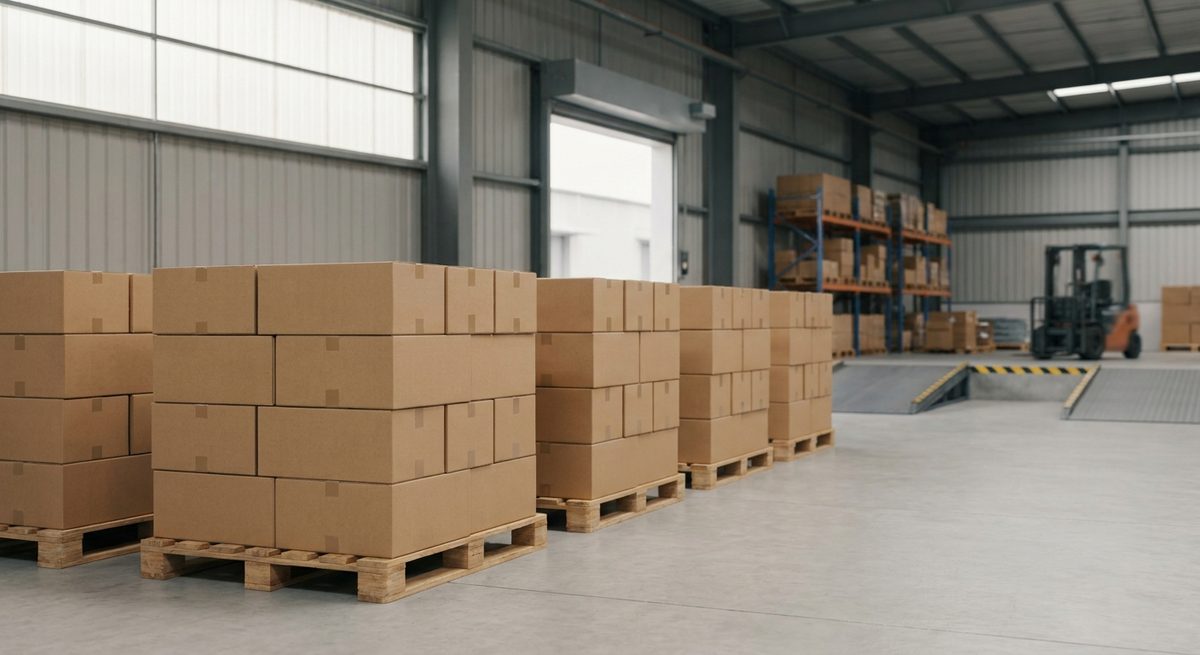
Nobody remembers their tenth container. Everyone remembers their first. I’ve sat with buyers in our Guangzhou office while their first deposit went out, and the nerves look identical whether the order is ten thousand dollars or two hundred thousand. So this is the process in the order it actually happens, spec to supplier to sample to contract to inspection to freight, with the tripwires marked as we pass them. If you’ve been reading up on how to import from China and every page sounds the same, treat this as the version we’d give you across a table. It assumes wholesale quantities, not a box of gadgets for your garage.
The spec is one page, and it comes first
Most trouble that surfaces in month three was planted in week one, usually because somebody asked for a price before defining the product. A factory quotes what it thinks you mean. If your idea of a “stainless steel water bottle” and theirs disagree on wall thickness or the lid mechanism, the cheapest reading wins the quote, and the argument arrives later, after money has moved.
So write it down before you contact anyone:
- Materials by grade, never by adjective. “304 stainless” beats “good quality steel”.
- Dimensions with tolerances, plus a simple drawing wherever shape matters.
- Finish, colour references, and the print method you expect.
- Packaging down to the master carton and where the barcode sits.
- The exact certifications your market requires. Named. Not “CE or whatever is needed”.
One page is enough. The point is that every quote you receive afterwards describes the same product, so the gaps between prices finally mean something.
Working out who can actually build it
Catalogues tell you who wants to sell. They don’t tell you who can hold your spec at volume. Before any money moves, check the boring things: a business licence that matches the name on the proforma invoice, export history in your product category, and photos or video of the real production floor rather than the showroom. Ask what’s done in house and what’s subcontracted. Neither answer is wrong. You just need to know which building your goods will come out of and who watches quality inside it.
This is the stage where a China sourcing agent in Guangzhou earns the fee, because someone local can sit in the factory office, look at the machines, and hold the paperwork up against the story you were told over chat. From nine time zones away, ordinary questions are hard to answer with confidence. From inside the building they take an afternoon.
Half an hour on the floor
Thirty minutes on a line answers what a month of messages can’t. Are the machines the ones from the photos? Is the QC station a working bench with live records, or a tidy desk that exists for visitors? Does the raw material store hold what your product needs? In Foshan and Dongguan I’ve walked two workshops on the same street, same product, near identical quotes, run to completely different standards. Nothing online separates them. The floor does.
Samples: pay the fee, then try to break it
Never go to bulk from a catalogue photo. Order the sample and treat the fee as tuition. Factories commonly charge for samples plus courier, and many will offset that against a confirmed order, though the practice varies by factory and product value.
When it arrives, abuse it the way your customer will. Drop it. Wash it. Charge it, load it, leave it on a windowsill for a week. Photograph whatever fails and send a numbered list, not a paragraph of frustration. A second round is normal for anything customised, and it’s far cheaper than a container of the wrong thing. The version you approve becomes the golden sample, the physical object every later inspection is measured against. Keep one sealed in your office. The factory keeps its twin.
Money, contracts and matching names
Bulk orders usually run on a deposit before production and the balance before shipment or against documents. The split varies with the factory, the order size and how long you’ve worked together. The percentages matter less than what each payment is tied to: the approved sample, the packaging spec, the tolerance limits, the delivery window, and what happens if the inspection fails.
Keep the contract bilingual if you can. And check that the company name on it matches both the business licence and the receiving bank account. A mismatch is usually sloppiness rather than anything sinister, but it’s the easiest thing to fix before a transfer and the hardest to untangle after one.
The weeks you can’t see
Lead times for made to order goods commonly run from a few weeks to a couple of months, depending on the product, the season and the queue ahead of you. Don’t settle for “it’s going well”. Ask for photos tied to stages: materials in, first units off the line, packing started. Pictures pinned to milestones are hard to improvise.
Then comes the one step I’d never let a client skip, the pre shipment inspection, done when the goods are finished and packed but before the balance is paid. An inspector pulls cartons at random and checks quantity, function, finish and packaging against the golden sample. You get the report the same day. A finished goods area has its own smell, hot glue and fresh cardboard, and the moment the inspector’s knife opens a carton nobody chose in advance is the moment the order becomes real. If defects run past the agreed limit, the factory reworks while the balance is still unpaid, so everyone has a reason to fix things fast. If your budget is tight, drop a hotel category. Keep the inspection.
Getting it on the water
Sea freight suits most wholesale orders. Air suits light, urgent or high value goods, and rail covers some routes in between. Your forwarder needs the commercial invoice, the packing list and the bill of lading, plus whatever certificates your category requires at destination. On duty, ask your own customs broker to confirm the tariff code and the rate for your country before the goods ship, not once they’re sitting at port with storage charges ticking.
And if you plan to sell under your own name, decide early. Logos, printed packaging and inserts have to enter the process at the sampling stage, and brand building support can carry that work from artwork through to packed cartons. Bolting a brand on after production usually means restickering boxes in a warehouse. Nobody enjoys paying for that.
Questions I hear from first time buyers
How much should I budget for a first wholesale order?
Price the landed cost, not the unit price. Factory minimums, freight, insurance, destination charges and your own testing all belong in the number. In many cases the realistic total sits well above what the unit price alone suggests, which is why the sum should happen before the deposit, not after it.
Can I learn how to import from China without visiting?
Yes, plenty of buyers run their first orders remotely, leaning on detailed specs, video calls, samples and third party inspections. Come over once orders grow or the product gets complex. Seeing the line and shaking the hands changes the quality of every conversation that follows.
Which documents does a shipment actually need?
At minimum, a commercial invoice, a packing list and a bill of lading or air waybill. Depending on the product and destination you may also need a certificate of origin, test reports or product certifications. Get the full list from your customs broker before production starts, because some paper has to be arranged while the goods are being made.
We’ve worked on the ground in Guangzhou since 2007, handling vetting, negotiation, inspections, consolidation and export paperwork for wholesale buyers. If you’re planning a first order, or trying to rescue a difficult one, message us through the contact form or WhatsApp. We’ll meet you in Guangzhou, drive you out to factories in Foshan, Dongguan or Shenzhen, and sit on your side of the table.
Read next
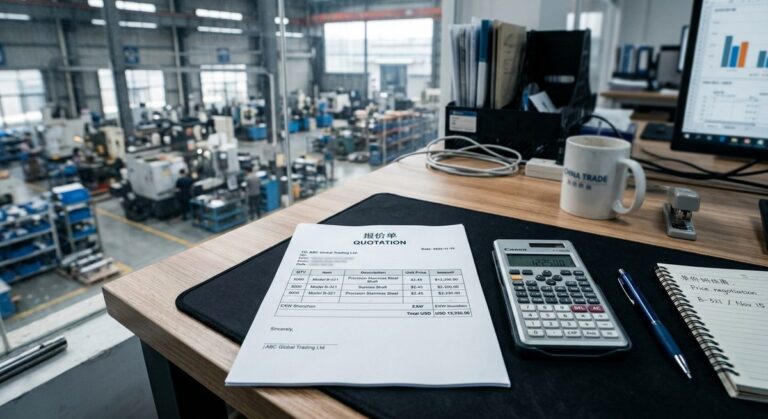
Why the Cheapest Quote in Guangzhou Usually Costs More
Planning to import from Guangzhou? What actually gets removed from a product to win on price, and how to read three quotes…
Samples, Minimums and Money: Ordering Branded Gifts in China
Understand sampling, minimums and payment before you import promotional gifts from China: blank samples, plate fees,…

How Buyers Choose Between Flying to China and Sending an Agent
Weighing a buying trip against sending an agent to China? A Guangzhou team explains what each route costs, what it catches,…