
By the middle of January, the dormitory blocks behind the factories we visit start sprouting luggage. Woven check bags and hard shell suitcases stacked outside doors, days before any official holiday begins, because workers with fourteen hour train rides home don’t wait for the last shift. Red couplets go up on the workshop gates. And any buyer who thinks their order will quietly progress through this period has never stood in one of those courtyards in the third week of January. The holiday calendar isn’t a detail of importing from China. It’s the skeleton the whole year hangs on, and planning around it well is one of the simplest advantages a buyer can have.
The calendar as factories actually live it
Two long holidays shape everything. The Spring Festival, falling in late January or February depending on the year, shuts most factories for a stated week or two, with the real disruption spanning a month or more either side. The first week of October brings the other long national break, shorter but still enough to swallow careless schedules. Around these sit smaller public holidays of a day or three, which matter mainly when they collide with your shipping cut-offs.
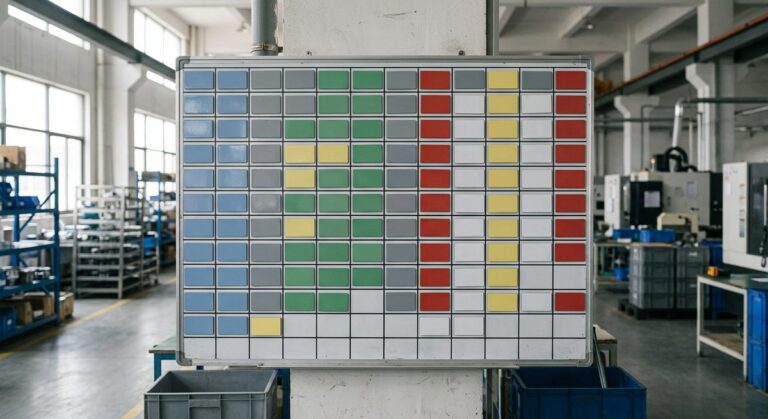
Check the actual dates every year, because the lunar calendar moves and so do the official arrangements. Then mark them on your planning wall in ink. Everything else on this page follows from those marks.
The squeeze before the shutdown
The six weeks before the Spring Festival are the busiest of the factory year. Every customer wants goods out before the break, lines run overtime, and freight space tightens and rises in price. Chinese New Year production has a particular reputation among inspectors, and it’s earned: rushed batches, borrowed workers on unfamiliar lines, and quality that drifts precisely when everyone is too busy to watch it.
Our rule for clients is firm. Goods finished in that final rush get a full inspection, no exceptions, even from suppliers with years of clean reports. It’s the season we find the most problems, and the season a skipped check costs the most, because rework can’t happen while the factory is dark.
Book freight like the space will run out
Because it does. Vessels fill, rates climb, and forwarders start rolling cargo. Whatever is meant to ship in the pre-holiday window should be booked weeks earlier than feels necessary. The buyers who treat January like the rest of the year become the buyers airfreighting in February.
The slow restart nobody budgets for
The official reopening date and the day your production line actually runs at full strength can be weeks apart. Workers return gradually. Some don’t return at all, taking jobs nearer home, and the line spends February training their replacements. Material suppliers restart on their own stagger, so even a fully staffed factory can sit waiting for components. First batches after the break deserve the same inspection scepticism as the last ones before it, and for the same reason: unfamiliar hands on the line.
Plan as if the month after reopening delivers a fraction of normal capacity. When it does better, you’re early. Textile and garment buyers feel this hardest because sewing is so labour dependent, and the sequencing advice in How to Order Textiles & Apparel from Guangzhou Manufacturing pairs naturally with this calendar.
A year of orders, sketched on one page
Here’s the rhythm we walk new clients through, adjusted to their products and markets:
- Late winter: place orders for goods you’ll need in early summer, while queues are short and factories are hungry for post-holiday work.
- Spring: develop new products and run sampling, so tooling and approvals finish before summer.
- Summer: place the big autumn and holiday season orders. This is the last comfortable window of the year.
- Early autumn: ship ahead of the October break where possible, and confirm every supplier’s actual holiday dates.
- Late autumn: final pre-Spring-Festival orders, placed with honest lead times, inspected without mercy.
- January: chase, inspect, ship, and get your team’s reorder plan written while the factories rest.
None of these windows is rigid, and your product’s lead time bends the whole sketch. What shouldn’t bend is the direction of planning: from the two big holidays outward, never from your sales dates inward while pretending the shutdowns aren’t there.
Seasonal products force the issue hardest. Christmas goods, summer toys, outdoor lines: miss one window and there isn’t another. Toy buyers juggling certification timelines on top of holiday maths will find the fuller picture in How to Source Toys & Baby Products from Guangzhou, China.
Using the quiet weeks instead of dreading them
The shutdown is only dead time if your goods needed to be on a line. For everything else it’s the calmest stretch of the year: specs get rewritten, suppliers get compared, packaging gets redesigned, and the reorder maths gets done properly for once. Sales teams at the factories answer messages during the break more often than people expect, from home, unhurried, and some of our most useful supplier conversations have happened in that lull. Come the reopening, the buyers with finished paperwork take the first slots on every line. That’s the entire trick, and it’s free.
Holiday planning questions, answered straight
How far before the Spring Festival should my last order go in?
Work backwards: your goods need to finish production, pass inspection and reach a vessel before the practical cutoff, which lands well before the official holiday. For most made to order goods that means placing orders in the autumn. When a factory promises a tight pre-holiday delivery, ask what happens if it slips a week, because the answer is “March”, and nobody says it out loud.
Do all factories close for the same dates?
No, and that’s worth exploiting politely. Closures vary by factory, by province of the workforce, and by year. Ask each supplier for their specific dates, including when workers actually leave and when the line realistically restarts, and build your plan on their answer rather than the public calendar.
Is it worth visiting China just after the holiday?
It’s one of our favourite windows for hosting buyers. Factories are quoting eagerly for the new year, sample rooms have fresh ranges out, and owners have time to talk. March in Guangzhou is mild, the trade calendar is warming up, and you’ll get attention that’s simply unavailable in the autumn crush.
We live inside this calendar, and every client’s yearly plan gets built against it, order windows, inspection load and freight bookings together. If your last winter involved airfreight you never budgeted, send us your product list and target dates, and we’ll sketch your year the way we’d sketch it on our office whiteboard, with the holidays inked in first.
Read next

What Our Sourcing Service Covers, End to End
A plain description of our china sourcing services: supplier search, sampling, contracts, inspections, consolidation,…
Moving From Stock Products to Your Own Design
Ready for custom manufacturing in China? A Guangzhou sourcing team on tooling, mould ownership, sampling rounds and when…
How Buyers Get Priority When a Factory Is Busy
What moves an order up a factory production schedule China planners really keep: clean specs, punctual money and forecasts a…