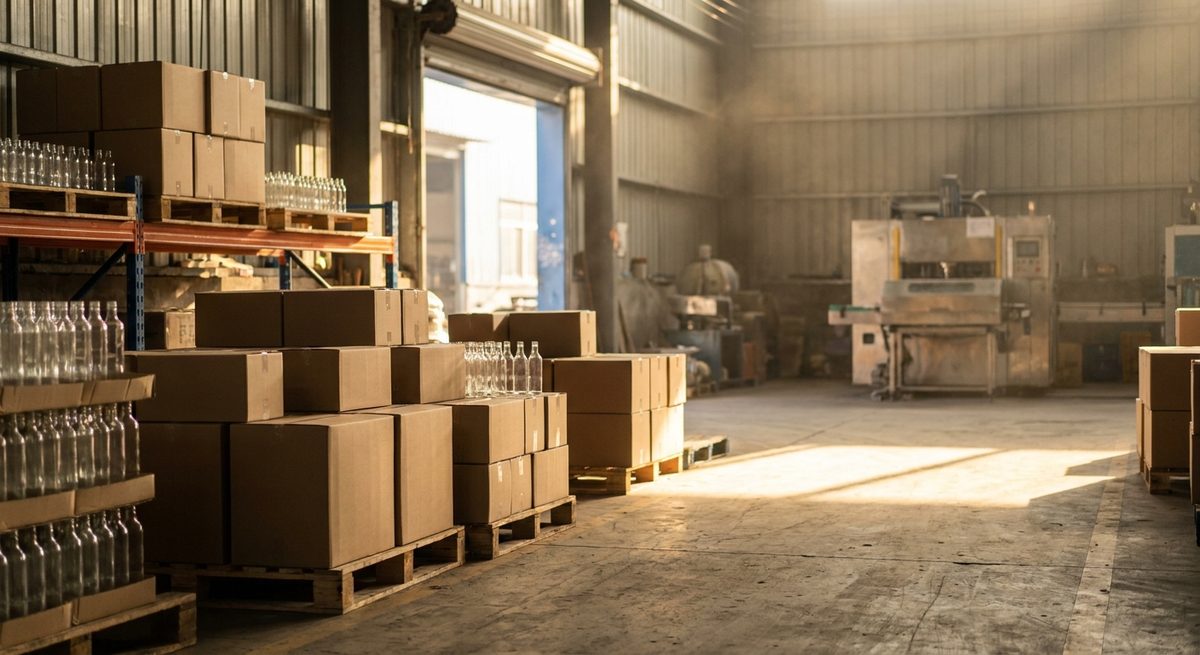
Stand beside a pad printing station in a Guangzhou workshop for five minutes. The machine thumps out a logo twice a second, the ink room behind it smells faintly sweet with solvent, and a factory product becomes somebody’s brand, bottle by bottle. That’s private label manufacturing in China in one image: a proven product wearing your name, your colours and your packaging, at a cost that lets a small company sell like a big one. The road is well trodden, but it has stages, and knowing them in advance is what separates a smooth launch from months of email ping-pong over artwork files.
Private label, ODM, OEM: where the lines sit
The terms get tangled constantly, so draw the lines first. Private label means taking a product the factory already makes and putting your brand on it, sometimes with small changes to colour, contents or accessories. ODM goes a step further: the factory’s existing design gets modified more substantially to your requirements. OEM means building your own design from the ground up, with engineering and usually new tooling. Most first brands start with private label, and they’re right to. The product is proven, the moulds exist, the minimums sit lower. You’re buying speed and low risk, and trading away some uniqueness for it.
The stages, in the order they’ll happen
Products differ. The sequence mostly doesn’t:
- Select the base product and confirm the factory genuinely manufactures it rather than trading it.
- Agree the customisation scope: logo positions, colours, packaging, any contents changes.
- Register or at least file for your trademark at home, and consider filing in China too.
- Approve artwork files against the factory’s dielines and printing constraints.
- Pay for and approve a pre-production sample carrying the real branding.
- Run production against an agreed quality standard, then inspect before shipment.
Every step has a moment where problems are cheap to fix. After the branded pre-production sample is approved, changes get expensive. Before it, almost everything is negotiable.
Where your logo meets the machine
Match the method to the material, not the mock-up
A logo that looks sharp in a 3D render can be wrong for the surface it lands on. Pad printing suits curved hard surfaces. Silk screen works on flat areas and fabric. Laser engraving gives metal a permanent, premium mark, embossing suits leather and paperboard, and heat transfers and woven labels serve apparel. Each method carries its own cost, durability and colour limits. Factories around Guangzhou and Dongguan will usually sample two or three methods on your actual product if you ask, so ask. Then judge the result in daylight, not in the photograph.
Know what tooling you’re paying for, and who owns it
Simple logo work often needs only a printing plate or a screen. Cheap. A moulded logo or a unique cap shape needs new tooling, and that’s real money. If you fund a mould, put its ownership into the written agreement, along with what happens to it if you ever change factories. It’s a normal, unemotional clause. Serious factories accept it every week, and it protects what you paid for.
The box is half the brand
New brands obsess over the product and rush the packaging, then discover the box is the thing customers photograph. Packaging runs on precise files. The factory or its printer sends a dieline, your designer places artwork onto it, and colours get specified in Pantone references, never screen values. Insist on a printed proof, not a PDF, because coated and uncoated boards render the same ink differently. Think about the journey as well as the shelf: barcode placement, carton labelling, inner boxes that survive a drop. And remember the box changes your freight profile. Shave a centimetre off each side and the saving multiplies across a whole container. A shipping agent in Guangzhou can check your packed carton against pallet and container maths before the artwork is locked, which is the cheap moment to adjust.
Protect the name before you print it
Branding without protection is decoration. File for your trademark early in your home market, and take advice on filing in China as well, since China works on a first-to-file basis and a registration there supports both manufacturing and future selling. Keep your artwork source files in your own hands, and use written agreements that cover confidentiality and who may sell the branded goods. No drama required. Mature factories see this housekeeping every week from serious buyers, and being organised about it raises your standing with the supplier rather than lowering it.
Order less than the catalogue says you must
Branded runs have minimums because plates, packaging print runs and line changeovers cost money to set up. Even so, the figure on the catalogue page is commonly an opening position, not a wall. Factories in the Guangzhou and Foshan clusters often take a smaller first branded run at a slightly higher unit price, treating it as an audition for the reorders. Take that deal. A modest run that sells teaches you more than a container of stock that might not, and it turns you into the kind of repeat customer factories protect. Structuring that first run, from base product to artwork to the web store behind it, is the heart of our own work with new brands, and our who we are page tells how the Guangzhou team grew around exactly this journey since 2007.
Three things new brands always ask
Can I put my logo on a product the factory already sells to others?
Yes. That’s the standard arrangement, and the same base product may wear several brands in different markets. Your difference then comes from packaging, bundle contents, quality grade choices and your marketing. If exclusivity matters, some factories will reserve a colourway, configuration or territory for a committed volume. Get it into the written agreement.
How long does the artwork and branding stage take?
With responsive designers and a cooperative factory, artwork, dielines, printed proofs and a branded pre-production sample commonly take several weeks before mass production begins. The calendar stretches when files arrive in the wrong format or colour standards go missing, so nail down the technical requirements in the first week. The rest follows.
Is private label manufacturing in China realistic on a small first budget?
Often, yes, provided the product needs printing rather than new tooling. Logo application and custom packaging on an existing product carry modest setup costs, and a negotiated first-run minimum keeps the entry point reachable for a small brand. Products that demand new moulds or certified electronics sit higher up the ladder, and they’re usually better as step two, once the brand has revenue.
Weighing up a product for your own label? Come and watch the process happen. We’re based in Guangzhou, we meet buyers at the airport, and we walk them through printing rooms, mould shops and packing lines in Foshan, Dongguan and around the city. Send a message through the contact form or WhatsApp and tell us what your brand should make first.
Read next
Sourcing Electronics in Shenzhen: What Buyers Should Know
Sourcing electronics in Shenzhen looks simple from abroad. Here's how Huaqiangbei, the Bao'an factories and the sampling…
Moving From Stock Products to Your Own Design
Ready for custom manufacturing in China? A Guangzhou sourcing team on tooling, mould ownership, sampling rounds and when…
Buying at a Guangzhou Market Versus Ordering From a Factory
Guangzhou wholesale buying explained by an agent on the ground: when market stock is the smart move, when a factory order…