A portable karaoke machine is really three products sharing one carton: a speaker cabinet, a rechargeable battery pack and a wireless microphone set. Each one fails in its own way. That’s why a slow, structured order beats a quick one in this category, and why we walk buyers through the same checkpoints every time they import karaoke machines from China with our team, from first enquiry to the container leaving the port.
Week one is mostly questions
Driver size and rated power, not peak power. Battery capacity in watt hours, and the cell brand behind it. Bluetooth version and codecs. One microphone or two, wireless or wired, and which band the wireless set uses. Echo and reverb, light effects, trolley wheels, handle strength, charging connector. All of it goes onto a one page spec sheet, and yes, one page is enough.
That single page does two jobs. It stops quotation confusion later, and it forces every factory to quote against the same definition, so a price gap starts to mean something instead of quietly hiding a smaller battery or a cheaper microphone capsule.
Enping, the audio town most buyers have never heard of
Enping is a small city in Guangdong, a couple of hours from Guangzhou, and much of its economy runs on microphones and audio gear. Walk into a workshop there and you’ll hear it before you see it: half a dozen test benches all playing different tracks at once, a woman at the end of the line speaking a steady “wei, wei, wei” into each finished mic before it goes in the foam. Workshops wind voice coils, machine capsule housings and assemble complete wireless systems, while the surrounding province supplies cabinets, amplifier boards and battery packs. For karaoke machines it’s common to pair an Enping microphone maker with a cabinet and electronics factory elsewhere in Guangdong, under one final assembler.
Catalogues only tell you so much. If you’d rather judge the lines with your own eyes, you can meet us in China and visit the factories. Enping makes an easy day trip from Guangzhou with our driver and interpreter, and a morning on the line answers questions a video call never will.
Sample it like a family, not a laboratory
The first sample is usually the factory’s stock model with your requested changes noted. Don’t test it politely:
- Run it at full volume for a good while and listen for distortion and cabinet rattle
- Walk the microphone into the next room and count the dropouts
- Time the battery from full charge to shutdown at a realistic volume
- Charge it, and ask yourself whether the connector will survive a year of children
- Switch the light effects on and listen for buzz bleeding into the audio
- Lift it by the handle, drag it on its wheels, push on every grille
The second sample confirms your corrections and locks the spec. It’s also the natural moment to add identity: a badge on the grille, a custom colour, a retail box with your artwork, a manual written properly. Our brand building support handles that design work, so the factory receives print ready files instead of vague wishes.
Money, dates and the spare parts clause
With the second sample approved, terms get settled. A deposit on order with the balance before shipment is a common structure in this trade, though the split varies by factory and order size. The contract should name the sealed sample as the quality reference, state the delivery date and what happens if it slips, and include a small quantity of spare microphones and chargers. Those are the parts that get lost or broken first. Always.
Ask how long the quotation stays valid, too. Component prices move with the seasons, and a factory that holds its price for a stated window is easier to plan around than one that reprices at deposit time. Selling in more than one country? Settle plug types and voltage markings now. A mixed order of chargers is far simpler to arrange before production starts than after it ends.
Two inspections worth every dollar
On a first order I’d pay for two visits without hesitating. A during production check, once housings and boards are coming together, catches wrong colours, wrong drivers or a substituted battery cell while there’s still time to fix them. A pre-shipment inspection then tests a statistical sample of finished machines: sound, microphone range, battery runtime, charging, and the condition of the printed boxes and manuals. Skipping the first check to save a little money is the false economy we see most often in this category.
Batteries bring paperwork as well. Forwarders commonly ask for a UN38.3 test summary and a safety data sheet for lithium cells, and the wireless microphones must suit the frequency rules and radio compliance marks of your destination market. Confirm both points with your own compliance adviser early, not in the week the goods are ready.
Booking the vessel, and what the battery changes
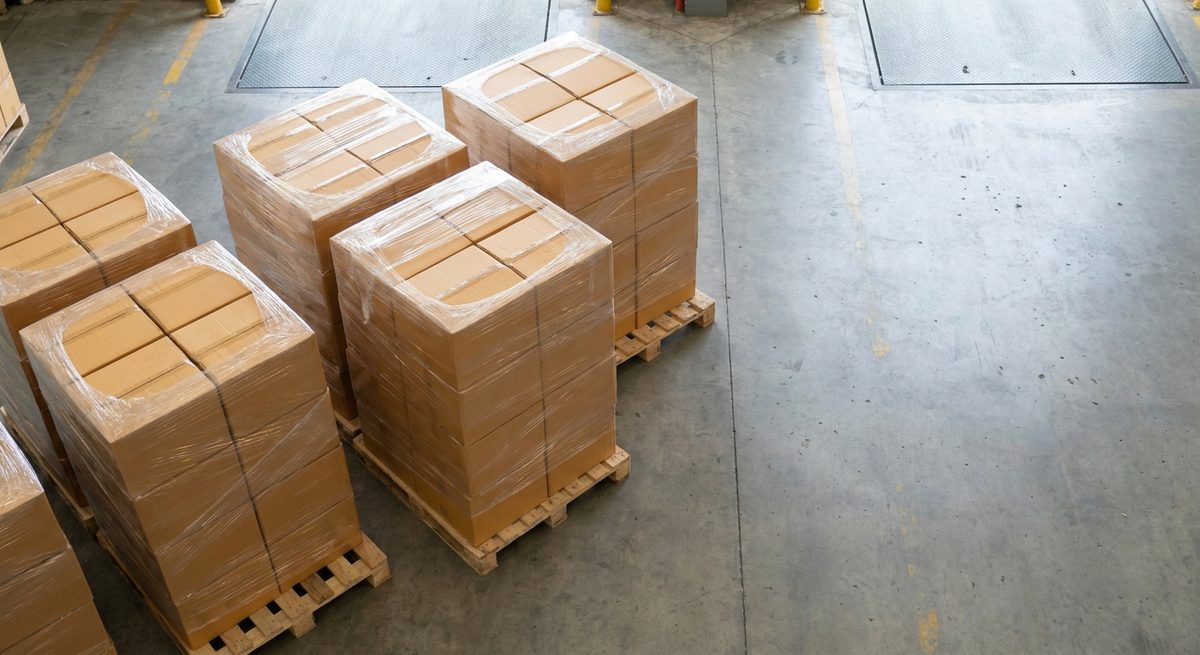
Most buyers ship this product by sea. The cartons are bulky, and the category is seasonal enough to plan ahead. Lithium content narrows the choice of carriers and adds declarations to the booking, so the forwarder needs the battery documents before the goods reach the port, whether that’s Nansha on Guangzhou’s edge or another Guangdong terminal. Machines this heavy should travel palletised, and a short drop test on the retail packaging before the full run saves arguments later.
What buyers ask before their first karaoke order
How long does a first order commonly take, start to finish?
Sampling often takes a few weeks across the two rounds, production commonly runs one to two months depending on the factory and the season, and sea transit sits on top of that. Treat any precise promise with caution. Build the timeline backwards from the date you truly need stock.
What documents will my forwarder request because of the battery?
Most ask for a UN38.3 test summary and a safety data sheet for the lithium cells, alongside the usual commercial invoice and packing list. Ask the factory for these at quotation stage. A supplier who can’t produce them is a warning worth heeding early.
Can the wireless microphones be set for my country’s frequency rules?
Usually yes, since factories serve many markets and fit different modules accordingly, but it has to be on the spec sheet and checked at inspection. Confirm the permitted band under your local rules first, then make it a written line item rather than a verbal agreement.
If a karaoke line is on your roadmap, tell us what you have in mind. We’re on the ground in Guangzhou, we host buyers in person from airport pickup onwards, and we’ll drive you to the Enping workshops and the assembly plants ourselves. The contact form and WhatsApp both reach the team directly.
Read next
LED Neon Made to Order: Putting Your Brand on a Hand-Bent Sign
Watch artwork become product when you import LED neon signs from China: tube choices, backboards, adapters, packing and…
What a Power Bank Really Costs: From Unit Price to Landed Cost
What drives the price when you import power banks from China: cells, boards, casing, certification and freight, stacked into…
Solar Street Light Orders: Samples, MOQ and Payment Terms
How to import solar street lights from China step by step: real outdoor sample tests, honest MOQ talk and payment terms…