Last autumn a buyer sat in our Guangzhou office with a carry-on bag full of returned laptop docks. Every unit powered on. Every port worked on the bench. Customers kept sending them back anyway, because one popular laptop model dropped its external display every time it woke from sleep. He’d started to import computer accessories from China with a decent factory and a thin test plan, and that gap cost him a season of reviews. Nearly every problem in this category follows the same shape. Invisible at the factory, obvious in a customer’s hands.
The chip inside matters more than the shell around it
Two docks can look identical and behave completely differently, because the controller chipset and its firmware decide compatibility, power delivery and heat. So ask every supplier which controller family a dock uses and which firmware version actually ships. Then ask whether the firmware can be updated after assembly, and by whom. A factory that shrugs at those questions is telling you something. Listen.
Sampling habits matter too. Plenty of buyers hunt first samples in Shenzhen’s Huaqiangbei electronics streets, where the counters are stacked shoulder high and trolley boys shout their way through the aisles with taped-up boxes of boards, then place production with factories in Dongguan or around Guangzhou once a design proves itself. Fine. But whatever the route, the approved sample must record chipset, firmware version and PCB revision in writing. Without that, the production batch is free to drift. It will.
Where a saved gram of copper turns into returns
Cable faults produce more warranty claims than board faults in this category, which surprises people. Thin wire gauge causes voltage drop under load. A missing e-marker chip confuses power negotiation on USB-C. Weak strain relief cracks after a few months of desk life. During inspections we bend test cables, measure resistance, and cut one sample open to compare the copper against the spec. Unglamorous work. It’s saved entire shipments.
Connectors deserve the same suspicion, because gold plating thickness, the retention force of a USB-C plug and the fit of an HDMI socket all degrade quietly when a factory swaps connector vendors between batches. Get the connector maker named on the bill of materials, and have your inspector judge insertion feel across sampled units. A loose port is the kind of fault a customer notices on day one and a bench test never records.
Test on the laptops your customers actually own
A dock that passes on one reference machine isn’t a tested product. Before approving production, build a small compatibility matrix: several recent Windows laptops from different makers, at least one macOS machine, and a Linux build if your market includes developers. Then test the awkward moments, not the happy path. Wake from sleep with two displays attached. Pull the power adapter mid transfer. Run Ethernet, charging and video together for an hour, because heat problems don’t show themselves in the first ten minutes.
Write that matrix into your purchase contract as an acceptance condition, with the exact laptop models and OS builds listed, so it travels with the golden sample. Factories respect a test plan that arrives before the deposit far more than a complaint that arrives after the container.
Paperwork that doesn’t match itself
Electronics need supporting documents in most destination markets, and the usual failure isn’t absence. It’s mismatch. The test report must name the factory that actually built your goods. The model number on the report has to match the model number on the carton, and the label artwork has to carry the marks your market expects, right size, right position. I also tell every client the same thing about duty: confirm the tariff code and treatment for your exact product with your own customs broker before shipment, because docks, hubs and adapters are easy to classify wrongly and that’s not a surprise you want at the port.
Mixed SKUs, mixed cartons, one muddle
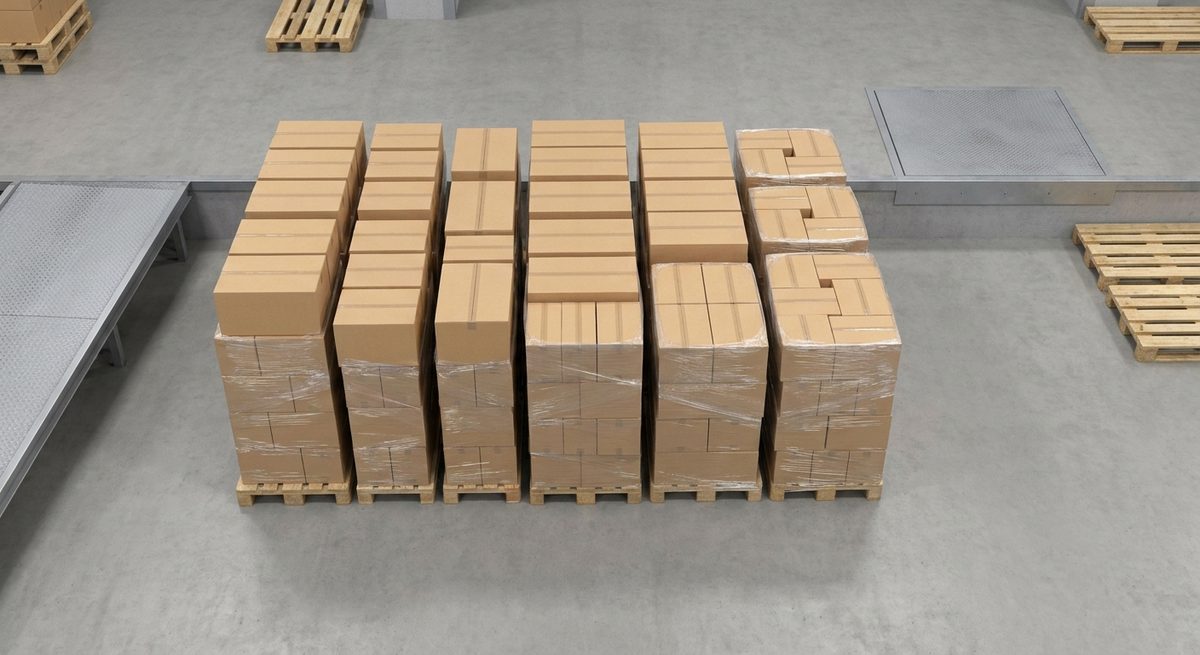
An accessory order is rarely one product. A typical shipment pulls docks, hubs, cables, laptop stands and printed packaging from three or four different factories, and this is where tidy orders fall apart. Cartons arrive unlabelled. Packing lists disagree with what’s on the floor. One late factory holds the whole booking hostage. If you import computer accessories from China as a mixed range, you need one party physically receiving, counting and relabelling everything before export. A shipping agent in Guangzhou can gather the goods from each factory, verify quantities against the purchase orders, and hand the forwarder one clean document set.
The habits that prevent most of it
- Fix chipset, firmware version and PCB revision in the contract, not in a chat thread
- Keep two sealed golden samples, one at the factory and one on your own desk
- Pay for a mid production check on every first order with a new supplier
- Buy back a few units from your own market and test what customers really received
- Approve labels and manuals as printed proofs, never as screenshots
None of this is complicated. It’s discipline, repeated on every order, and that’s far easier when somebody can reach the factory in an afternoon. Which is, in short, who we are: a team based in Guangzhou since 2007 that turns these habits into routine for buyers living thousands of kilometres from their suppliers.
Dock importers keep asking us these three things
Why do docks pass factory tests yet still fail with customers?
Because a factory bench test commonly runs a few minutes per unit on one reference laptop, and customers run hours across hundreds of laptop models, through sleep cycles, cheap extension leads and hot rooms. The cure is a compatibility matrix agreed at sample stage plus long duration testing under combined load.
Should I insist on updateable firmware?
Where the controller supports it, yes, every time. New laptop models and OS updates appear constantly, and a dock whose firmware can be revised has a future. Some low cost controllers can’t be updated at all. That’s a fair trade only if you know you’re making it.
How many factories will one accessory range involve?
Commonly three to five, though it varies. Docks come from one specialist, cables from another, stands from a metal or plastics shop, retail boxes from a printer. That spread is normal. It’s also exactly why consolidation deserves as much attention as production does.
If you’re planning an accessory range, talk to us before the first purchase order rather than after the first problem. We’re in Guangzhou, we meet buyers in person, and we run factory visits across Shenzhen and Dongguan with an interpreter at your side. Reach us through the contact form or WhatsApp and tell us what you want to build.
Read next

Visiting TV Bracket Factories in China: A Buyer’s Floor Checklist
What to check on the factory floor before you import tv brackets from China: steel gauge, weld jigs, load tests, plating and…

Solar Street Light Orders: Samples, MOQ and Payment Terms
How to import solar street lights from China step by step: real outdoor sample tests, honest MOQ talk and payment terms…
Electric Scooter Freight: Batteries, Cartons and Container Math
Ready to import electric scooters from China? Learn how packing, UN38.3 battery files and shipping mode choices shape your…