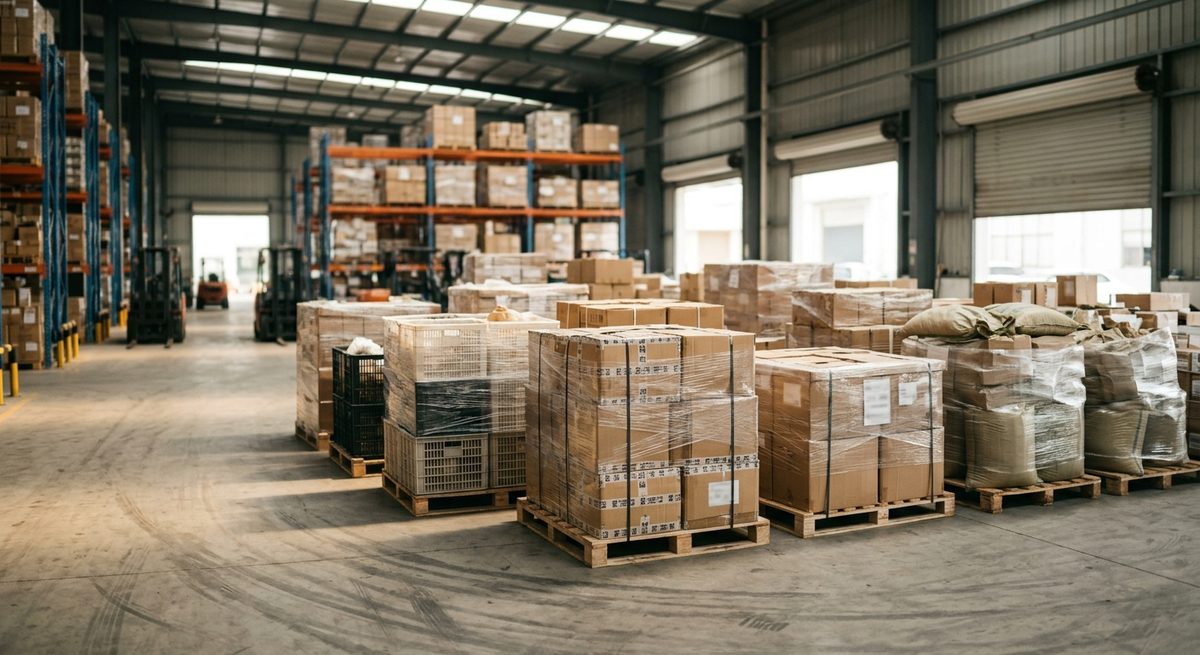
The roller doors at the depot we use in Baiyun go up at seven, and by half past the first truck from Foshan is already backing in. On a July morning the tin roof turns the loading bay into an oven before ten, and the man running the strapping machine works with a wet towel around his neck. This week the bays hold goods for one Danish client from three different suppliers: lamps from Zhongshan, steel brackets from Dongguan, printed boxes made twenty minutes up the road. None of it ships until all of it has arrived. That pause has a daily price. In our experience it earns its keep more often than buyers expect, but not every time, and the difference is worth understanding before you pay for it.
What the rent actually buys
A warehouse in Guangzhou typically charges by the cubic metre, per day or per week, plus a handling fee when goods come in and another when they go out. Rates vary by district and season, so treat any figure you’re quoted as a starting point. The storage line itself is rarely the shock. Labour is. Every extra task has a price:
- Unloading and counting cartons against the packing list.
- Palletising, shrink wrapping and strapping.
- Relabelling cartons when a marketplace or retailer wants its own format.
- Repacking goods that arrived in weak or wrongly sized boxes.
- Photographing and reporting anything that looks off.
Ask for the whole tariff sheet up front, in writing. A quote that covers storage but stays silent on handling isn’t a quote. It’s the first half of one.
Two smaller lines deserve a glance too. Most depots have a minimum charge, so tiny consignments pay the floor price however little space they take. And ask what the depot’s liability actually covers while your goods sit there, because the standard answer is less than buyers assume, and cargo insurance that includes the storage period costs little when arranged with the rest of the shipment. Five minutes of questions. It settles who pays if a forklift meets your cartons badly.
The saving that pays for the rest
Consolidation is the reason most of our clients use storage at all. Three suppliers shipping separately means three sets of minimum charges, three files of paperwork and three arrival dates to manage at destination. Pulled together into one shipment, the goods travel as a single consignment with one document set and one delivery. For buyers ordering from several factories at once, the arithmetic usually favours the warehouse by a comfortable margin. Not always. But usually.
A second set of eyes before the water
The quieter benefit is that somebody handles every carton while a problem can still be fixed cheaply. Warehouse staff notice things: a crushed corner, a carton that weighs less than its siblings, a shipping mark printed for the wrong country. Last autumn a batch of hinges arrived with cartons that felt damp at the seams, and the team flagged it the same afternoon. The factory swapped the boxes and redried the goods within days. Had that container gone straight from the factory to the port, the buyer would have discovered rust in Rotterdam instead.
Checks the factory can’t do on itself
We’d still rather catch defects at the factory, earlier and cheaper. If you’re choosing suppliers from abroad, read How to Verify a Guangzhou Factory in 48 Hours before any deposit moves. The warehouse check is the backstop, not the plan.
When I’d tell you to skip it
If one factory fills a whole container, let them load it at their own dock. Moving a full container’s worth of cartons into storage and out again buys you handling charges and an extra day, and very little else. The same goes for goods that are all ready on the same date from suppliers in the same district. A good trucking plan does the job for less.
The other habit we talk buyers out of is using cheap Chinese storage as a long stay stock room. Rent here is lower than in most destination markets, true. Your goods are also three to six weeks from your customers, and money sitting in cartons under a hot roof isn’t working. Storage should be a pause, measured in days or a few weeks. Once it turns into months, something upstream in your planning needs fixing.
How we set it up for clients
Before anything is booked we confirm the suppliers themselves are worth shipping from. New factories get run through our Factory Audit Checklist: the licence, the production lines and the QC records all get looked at before a single carton moves. Then we set delivery windows so goods land within a few days of each other, because the slowest supplier sets the cost for everyone. We tell each factory the exact shipping mark to print. Small thing. It saves hours of sorting at the depot and stops cartons from two orders getting mixed on one pallet.
When everything is in, the goods are counted, checked, photographed and combined onto pallets built for the container or the airline, and the paperwork is issued as one consignment. The client gets a report with photos before the truck leaves for the port. Boring, when it goes well. That’s the point.
Three questions buyers keep asking us
How long can goods sit before the cost hurts?
Most depots include a few free days, then the meter runs. A stay of one to three weeks while orders converge is normal and rarely changes the economics of a shipment. Past a month, look hard at why. It’s nearly always a supplier who quoted a lead time they couldn’t hold.
Can the warehouse check replace a factory inspection?
No, and we say so even though we sell both. By the time goods reach storage, production is finished and the balance is often paid, so your bargaining position is thin. The depot check catches transit damage, shortages and mislabelling. Real quality problems need to be caught on the factory floor, before packing.
We buy from a single supplier. Any reason to bother?
Occasionally. If your factory sits far from the port, or you want an independent count and photos before the balance payment, a short stop can be worth it. Otherwise ship direct and spend the savings on a proper pre shipment inspection instead.
Our team lives with this routine year round: we’re in Guangzhou, we work with depots in Baiyun and Panyu, and we’re happy to walk a visiting buyer through one so you can see where your cartons would actually sit. Get in touch through the site or WhatsApp and we’ll talk through whether storage belongs in your plan at all.
Read next
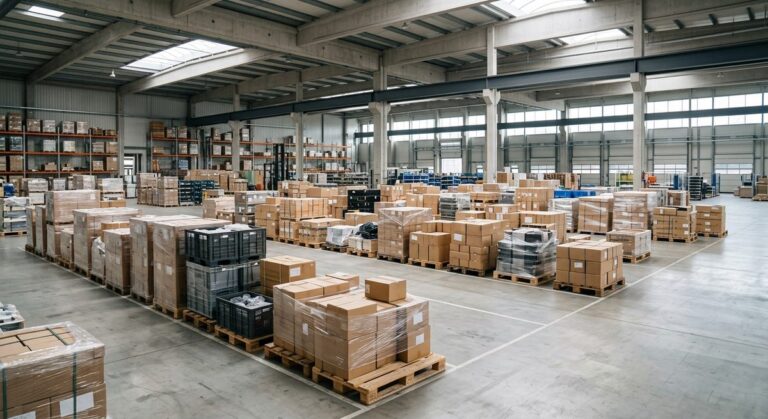
Consolidating Several Suppliers Into One Container
How consolidation in Guangzhou turns deliveries from several suppliers into one clean container: warehouse checks, loading…
How Money Actually Moves to a Chinese Supplier
What paying a factory in China really involves: deposits and balances, bank details done properly, currency choices, and…

Dongguan Factories: What Buyers Find in the Workshops
Field notes from years of visiting dongguan factories: how the towns divide the work, what the workshops look and sound…