
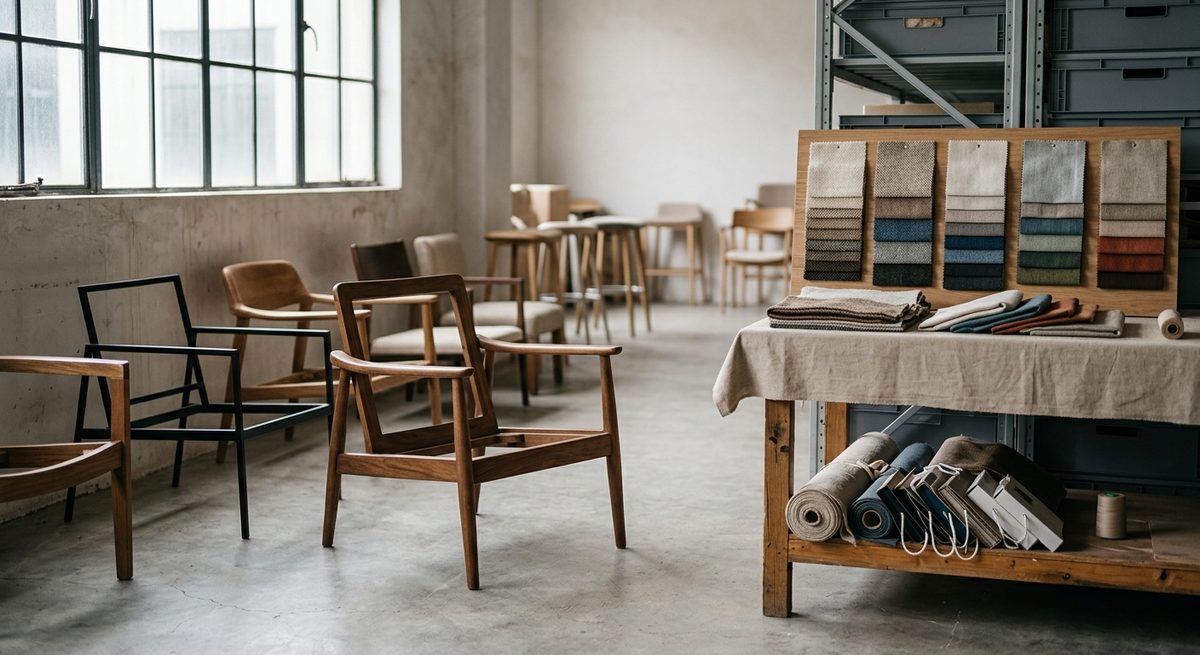
Ask three factories how many kitchens fit in a forty foot container and you’ll get three different answers. That isn’t evasion. The real variable isn’t cubic metres, it’s the packing method, and anyone who sets out to import kitchen cabinets from China learns fast that the freight plan decides the margin as surely as the factory price does. The cabinet makers clustered around Foshan and Guangzhou have shipped kitchens into every kind of market, and the good ones treat the carton as part of the product.
Flat pack or assembled, decide this first
Everything downstream follows from one early choice. Ready to assemble kitchens travel as flat panels in dense cartons and use container space hard, which suits importers whose customers or installers can put boxes together. Pre assembled cabinets arrive ready to hang, which some builders and project markets insist on, but each unit ships mostly as protected air. The same Foshan factory often offers both, and a mixed plan works well: carcasses flat, finished doors and tall units assembled. My advice is to decide with your installer base in mind rather than the freight quote. A cheap container of flat packs is no bargain in a market where assembly labour is scarce.
Cartons for glossy faces and heavy boards
A kitchen shipment mixes fragile faces with heavy boards, and each piece needs its own treatment.
- Lacquered and high gloss doors travel face to face with foam or paper between them, because one grit particle rubbing in transit ruins two doors at once.
- Panels and carcass parts go in double wall cartons with corner protectors, banded so the stacks can’t shift.
- Glass doors and splashbacks get rigid crates or dedicated glass cartons with edge channels.
- Hardware packs, the hinges, handles, legs and screws, are bagged per unit and sealed in a numbered carton. A missing hinge bag can stall a whole installation.
- Stone or quartz worktops, when they ride along, ship on A frames or in slab crates and deserve treatment as their own packing project.
Ask for photos of the standard export packing before you order, then approve a packed sample carton the same way you approve the cabinet itself. Drop it on a corner. One drop test says more than any brochure.
A container is a puzzle you solve on paper first
Cabinets cube out a container long before weight matters, so a written loading plan earns its keep. Heavy carcass cartons low. Doors and glass upright and braced. Hardware cartons placed to come off first for counting. Numbering matters more than most buyers expect, because when every carton carries a kitchen set number and a position code, a warehouse can pick complete kitchens without opening a single box. On project orders, loading by apartment or by floor saves days on site. And once worktops, sinks and appliances join the list, which they usually do, it pays to import from Guangzhou with one team coordinating the suppliers, the warehouse and the container stuffing.
Six weeks at sea, and what boards do in there
A sea container crossing climate zones breathes. Warm humid air inside condenses when the box cools, and board products drink moisture readily. The defence comes in layers: boards cured and edge sealed at the factory, cartons lined or wrapped, desiccant bags hung inside the container, and the box itself checked for door seals and roof holes before stuffing. Melamine carcasses shrug off the trip. Solid wood shaker doors and veneered panels deserve the most care, since they move as humidity swings. A factory that asks about your destination climate before quoting packing has handled claims before, and that’s a good sign. On arrival, open a few cartons and let the panels acclimatise in your warehouse for a day or two, especially in dry heated buildings in winter. Settled boards behave far better under the installer’s drill than boards rushed straight from the container to the wall.
From the spray shop to your warehouse door
You can smell a cabinet factory’s paint shop before you see it, a sweet solvent edge hanging in the corridor, and that’s the department to watch, because sprayed doors are the stage that most often runs late. Build your schedule backwards from the installation date and leave slack right there. The cabinet belt around Foshan and the southern districts of Guangzhou sits close to the Pearl River ports, so trucking is short and vessel choice is wide, and a typical order flows through final inspection at the workshop, trucking to a consolidation warehouse, stuffing with photo records, then export clearance and the ocean leg. Buyers who import kitchen cabinets from China for projects usually add a small buffer of spare doors, panels and hinge packs to every container. I’d call the spares compulsory. Replacing one scratched door by courier months later costs more than shipping five spares today.
Running a branded kitchen line adds one more clock. Printed cartons, branded hardware bags and installation manuals all need artwork approved before mass production starts, and our brand building support handles that side while the factory builds the boxes the artwork goes on.
Cabinet freight questions that come up every week
Should worktops travel in the same container as the cabinets?
They can, on proper A frames or in crates secured against the container wall, and combining them saves freight. Some buyers still ship stone separately so a workshop delay on stone can’t hold the whole kitchen order hostage. Weigh schedule risk against freight saving for your own project.
What paperwork does wooden packaging need at destination?
Most markets require solid wood packaging to be treated and stamped under international rules, and untreated crates can hold a shipment at the port. Plywood and MDF generally sit outside those rules. Confirm the details with your customs broker before the factory builds crates, not after.
How much of the container should I inspect before loading?
A pre shipment inspection on statistically drawn cartons covers finish, dimensions and hardware counts, and loading supervision adds photos of the stuffing sequence. For a first order with a new factory, do both. It’s money well spent. On repeat orders many buyers ease back once results stay stable.
If a kitchen programme is on your drawing board, we’d like to walk the factories with you. Our team is based in Guangzhou, we host buyers from the airport onwards, and we can put you in front of cabinet makers in Foshan and Guangzhou within a day of landing. Message us through the contact form or on WhatsApp and tell us about the kitchens you want to ship.
Read next
Testing and Paperwork Needed to Import Sanitary Ware from China
See the lab tests, markings and documents needed to import sanitary ware from China, with notes on Foshan and Chaozhou…
Private Label Ceramic Tiles from China: A Foshan Branding Guide
Plan a private label tile order. See how to import ceramic tiles from China, brand the packaging and build displays with…
Importing Mattresses from China: Inside the Foshan Bed Belt
Learn how to import mattresses from China, from the Foshan Longjiang bed cluster to roll packing, factory choice and…