
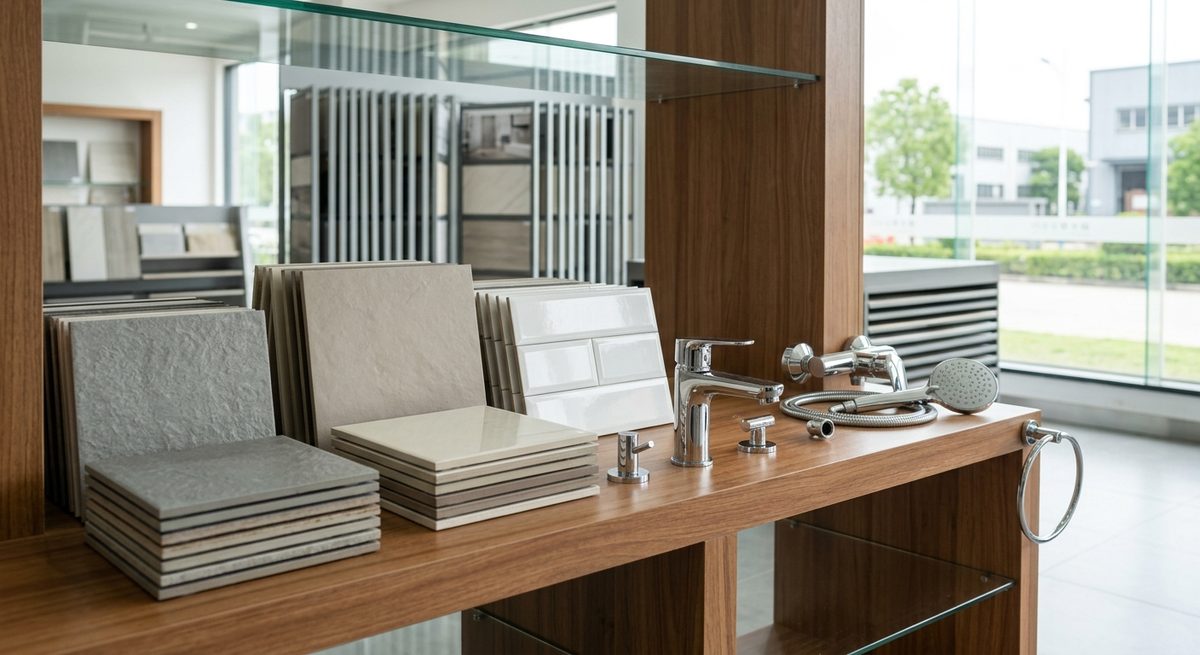
A toilet gets judged twice. Once in the showroom, on looks. Then again years later, on whether the glaze still shines and the flush still clears. Testing and paperwork fill the gap between those two judgements, and they’re the part buyers most often underestimate when they import sanitary ware from China. The ceramics themselves come out of two big production areas in Guangdong, Foshan and Chaozhou, and in my experience the paperwork should be planned on the same day as the product, not a month before the vessel sails.
Two ceramic capitals, two temperaments
Foshan, next door to Guangzhou, holds the larger branded plants and the export showrooms, with strong design teams and complete bathroom ranges that pair toilets with basins, cabinets and shower enclosures. Chaozhou, over in the east of the province, is a dense mass of ceramic workshops and mid sized factories, plenty of them family run, with sharp pricing and long experience in one piece toilets. Successful programmes often mix the two. Design led pieces from Foshan, volume ceramics from Chaozhou, everything consolidated near Guangzhou before it ships. Buy at any real volume and you’ll end up knowing both cities well.
What the lab sees that the pallet hides
Stacked on a pallet, sanitary ceramic all looks much the same. The differences live in a laboratory, and decent factories test for them as a matter of routine.
- Water absorption tells you whether the body is true vitreous china. Lower absorption, less staining and cracking over years of use.
- Glaze checks hunt for crazing, pinholes and poor abrasion resistance, because the glaze is the only part customers ever touch and clean.
- Flush performance gets measured with standardised media, proving the trap really clears at the stated water volume.
- Load tests put weight on seats, basins and wall hung pans. For wall mounted designs this one matters most.
- Fittings endurance cycles the flush valves, soft close hinges and cistern mechanisms over and over.
Ask which of these run in house and which go out to third party labs. The answer tells you how the plant is managed before you’ve seen a single line. And walk the water testing stations if they’ll let you. In a good plant every piece gets leak checked, so you hear the place before you see it, a wet rhythm of test flushes running all day at the back of the hall.
Marks and approvals, market by market
Requirements differ sharply by destination, and this is where you need your own local knowledge. North American plumbing markets generally expect recognised third party certification on toilets and faucets before distributors will touch them. Several markets run water efficiency labelling schemes with registration steps that eat weeks. European buyers usually work against EN standards for pans and washbasins, and tempered glass shower enclosures drag their own safety standard along behind them. None of this is difficult. All of it is slow if you start late. Confirm the exact requirements with a compliance consultant or your own customs broker, then hand the factory a written list before you approve samples. Certification is model specific. A certificate for a similar toilet isn’t a certificate for yours.
The file that has to travel with the goods
By loading day, a clean file for a bathroom shipment holds more than the basic commercial papers. Alongside the invoice, packing list and bill of lading, you want the test reports matching your ordered models, whatever certification documents your market expects, the inspection report with photos, and treatment certificates for wooden crates or pallets, since most destinations regulate solid wood packaging. Smart toilet seats push the load up again, with safety and electromagnetic reports specific to your plug and voltage. Anyone planning to import sanitary ware from China should price in the chasing time, or get help in Guangzhou so someone hounds each paper while production runs, instead of finding a missing report the week the ship leaves.
Audit the factory, not the sample
A golden sample proves a factory can make one good piece. An audit tells you whether it can make five thousand. For this product I’d look at the slip preparation and casting halls, the kiln records, the leak check stations, and above all the repair area, because how a plant treats its seconds tells you more than any certificate on the wall. If your schedule only allows one extra day, spend it on the audit rather than another showroom tour. During production, an inline check catches glaze defects while there’s still time to fix them. Before shipment, a final random inspection confirms flushing, dimensions, fittings and packing against the approved sample.
What inspectors actually do with a toilet
Mostly surface and function work. Glaze defects under proper lighting, warpage measured on a flat table, trial assembly of seats and cisterns, a real flush on a water rig. Cracked pieces announce themselves. The dangerous defect is the slightly warped pan that rocks on a tiled floor, because that one generates complaints months later, and a gauge catches it in seconds.
Heavy, brittle, and packed accordingly
Ceramic is heavy and fragile at the same time, so packing is its own discipline. Toilets typically ship in printed cartons with foam formers, palletised or crated depending on your handling chain. Mixing ceramics with lighter bathroom goods, mirrors, cabinets, accessories, makes good use of a container’s weight and volume limits, and it’s one of the most common jobs our warehouse handles. With consolidation and export handling, goods from a Chaozhou ceramic plant and a Foshan cabinet maker meet in one warehouse near Guangzhou, get checked and repacked where needed, and leave under a single set of export documents.
What buyers ask before their first bathroom container
Do I need my own certification if the factory already has some?
Sometimes the factory’s existing certification covers the model you’re buying, and you can be listed against it or use it as is, depending on the scheme. Private label programmes often need your brand registered separately. Check the scheme rules early. The answer changes both budget and timeline.
Can smart toilet seats ship with the ceramic pans?
Yes, and they often do, but the electrical items bring their own test reports and, on some routes, battery and voltage declarations. Treat the smart seat as a separate compliance project inside the same shipment and the loading itself stays simple.
How do I compare a Foshan quote with a Chaozhou quote fairly?
Make both factories quote against the same written specification: body material, seat type, fittings brand, packing method, required test reports. Price gaps usually shrink once the specifications truly match. Whatever gap survives reflects real differences you can weigh honestly.
If bathrooms are your next product line, come see the plants with us. We’re based in Guangzhou, minutes from the Foshan showrooms, and we drive buyers out to Chaozhou all the time. Write through the contact form or WhatsApp and we’ll help you plan the trip, the testing and the shipment in the right order.
Read next
Private Label Ceramic Tiles from China: A Foshan Branding Guide
Plan a private label tile order. See how to import ceramic tiles from China, brand the packaging and build displays with…
Importing Mattresses from China: Inside the Foshan Bed Belt
Learn how to import mattresses from China, from the Foshan Longjiang bed cluster to roll packing, factory choice and…

Sofa Inspections in Foshan: What Good Quality Control Catches
How staged inspections protect buyers who import sofas from China: frame checks before upholstery, foam density, leather…