
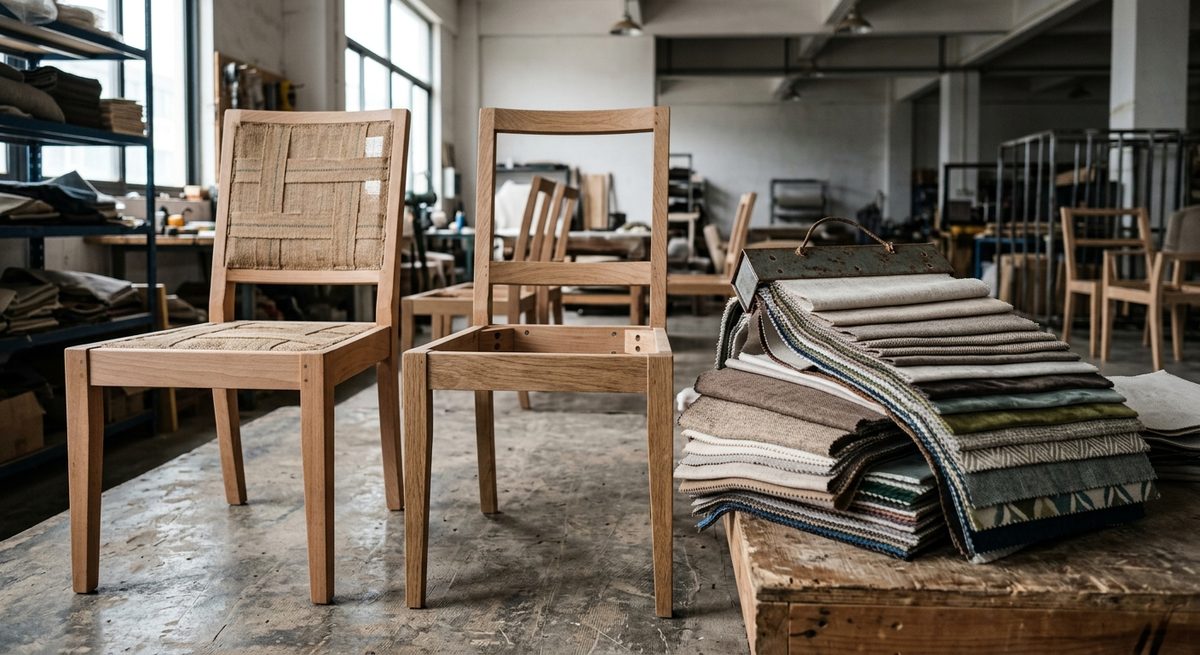
There’s a room in a lot of Guangdong massage chair plants that visitors rarely ask to see. Staff call it the aging room. Forty or fifty finished chairs stand in rows, plugged in, running full body programmes with nobody in them, rollers kneading the air for hours while one technician walks the aisles and listens for the single motor that sounds different from the rest. Ask to stand in that room for ten minutes. It tells you more about a supplier than the whole showroom does.
Book the flight before you sign anything
Massage chairs are heavy, complicated and expensive to get wrong. A container holds somewhere between forty and sixty of them depending on the model, so one bad batch isn’t a hiccup, it’s your whole quarter gone. We tell buyers who plan to import massage chairs from China the same thing every time: for this product, come over. See the line running. Two days in Guangdong will save you months of guessing from photographs and video calls.
The plants cluster around Shenzhen and a handful of Guangdong assembly towns, most within a two hour drive of Guangzhou. With a planned route you can see three factories in a single day and still make dinner.
The showroom is theatre
Every factory has one. Dim lighting, a wall of chairs, somebody handing you tea while a flagship model works your shoulders for fifteen minutes. Enjoy it. Then set most of it aside. Showroom chairs are hand-finished, freshly wiped and loaded with their best programme, and none of that survives contact with mass production.
What I actually do in a showroom is sit in the cheapest chair, not the flagship. The flagship always feels good. The cheap one shows you what the factory builds when nobody is protecting the margin, and that’s usually the model closest to what you’ll order anyway.
What your hands and ears can check
Rollers, rails and the frame
Run a chair through its longest stroke and listen near the headrest. A dry clicking at the top of the rail usually means a cheap guide wheel, and that’s the part that fails in month eight, long after the deal is done. Grab the backrest and rock it sideways. A well built frame barely moves. Ask what the rail is made of, ask how the rollers are lubricated, then ask to see those same parts loose in the workshop so you know the answer wasn’t rehearsed.
Leather, stitching and smell
Squeeze an airbag panel too, the calf section is the honest one. You want a firm, even inflation with no hiss after the pump stops. A slow hiss means a loose fitting somewhere in the air lines, and a chair with one loose fitting at the factory will have three by the time it lands.
Most chairs wear PU leather, and PU grades vary wildly between plants. Pinch a seam and pull it. Study the stitch spacing on a curved panel, because curves are where lazy sewing shows first. And use your nose. A strong chemical smell hanging around the chair often points to cheap foam or glue, and that same smell will still be there when your customer opens the carton at home.
Telling a maker from an assembler
Plenty of businesses in this category buy in mechanisms, airbag sets and control boards, then fit them into a shell. That’s not automatically bad. Some assemblers are careful and open about how they work. But you should know which kind of building you’re standing in, because it changes who fixes a problem and how fast they can do it. A genuine manufacturer can walk you to the station where the massage mechanism is built and introduce the engineer who tunes the programmes. An assembler will steer you gently back towards the tea table.
We’ve been vetting these plants for years as a China sourcing agent in Guangzhou, and the honest answer is that both types can serve you well. It depends on your market, your after-sales plan and your price point. What never works is not knowing which one you’ve chosen.
Before you leave the building
Ten minutes of admin at the end of a visit saves weeks of email later. Collect these while you’re still on site:
- The exact model number and firmware version of the chair you tested, photographed on its rating label.
- Spare parts pricing and lead times in writing, especially rollers, boards and remotes.
- Copies of the safety test reports for your market, checked against the right model number.
- The aging time every chair gets before packing. A number of hours, not a vague nod.
- Direct contacts for the engineer and the QC lead, not just the sales rep who met you at the gate.
None of this is confrontational. Good factories expect it and have the folder ready. It’s the ones that go quiet over a spare parts price list that deserve a second thought.
If you’re building your own brand
Massage chairs carry a logo well. An embroidered headrest, a custom remote housing, your artwork across a very large carton. Tooling for a fully custom shell costs serious money, but colourways, upholstery choices and packaging are usually open at reasonable volumes. This is where brand building support earns its keep, because the factory’s designer and your designer won’t naturally speak the same language, and a mistranslated colour code looks very permanent printed on five hundred boxes.
Questions buyers ask on the drive back
How many factories should I visit before deciding?
Three is the sweet spot. One visit gives you no comparison. Five turns into a blur of tea and shoulder programmes you can’t tell apart. See a big plant, a mid-sized one and the maker whose sample you liked best, then decide within the week while it’s all still fresh.
Can I test a chair long enough to trust it?
Not in a showroom, no. That’s what the aging room and a proper production sample are for. Have one or two samples shipped home and run them daily for a month before you commit to bulk. It feels slow. It’s far quicker than dealing with a warranty disaster across an ocean.
Do I need an interpreter, or will English carry me?
Sales staff usually speak workable English. Engineers and line supervisors mostly don’t, and they’re the people holding the real answers. Bring an interpreter who knows furniture and electronics vocabulary, or the visit turns into an exchange of smiles instead of information.
Our team lives and works in Guangzhou, and we arrange visits like this every month: airport pickup, a sensible route between plants, an interpreter who knows what a guide rail is, and a frank opinion in the car between stops. If you’d like to walk a massage chair line yourself, send us a message through the contact form or on WhatsApp and we’ll start building your shortlist.
Read next

Packing Christmas Stock in July: Freight Notes from Guangdong
Plan cartons, cube and sailing windows before you import christmas decorations from China: packing specs, crush protection…
Testing SPC Flooring in China: Specs, Ovens and Paperwork
Know which tests matter before you import SPC flooring from China: wear layer checks, dimensional stability, chemistry and…