Half past five on a Tuesday, and a buyer we were hosting wanted to get from the leather market near Sanyuanli across to a supplier meeting in Pazhou. By car, at that hour, you’re looking at an hour or more crawling down the riverside. We put him on the metro instead and he arrived in about thirty five minutes, slightly squashed, fully on time. That one decision is most of what this article teaches. Distance in this city means very little. Timing means everything, and a Guangzhou buying trip lives or dies on how you move between appointments.
The metro carries the trip
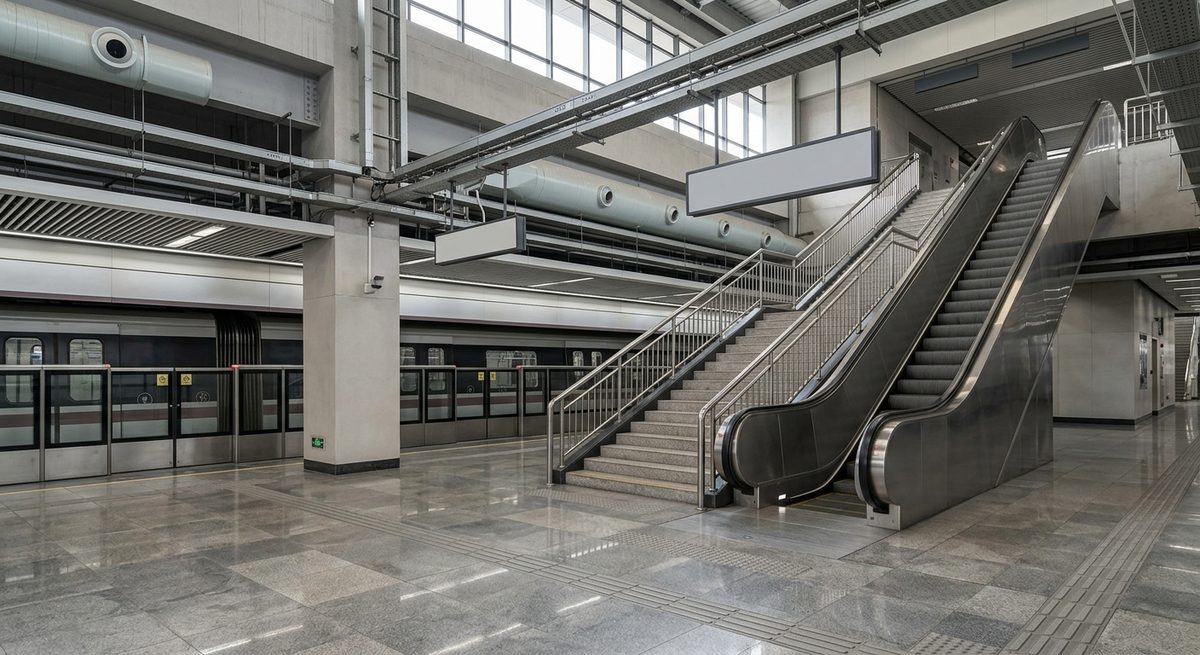
Guangzhou’s metro is cheap, air conditioned and mostly immune to traffic, which makes it the default for anything inside the city. Every station entrance has an X-ray belt for bags, and you’ll learn the rhythm fast: bag on the belt, walk through, collect, tap your phone or card at the gate. It adds a minute per station. Budget for it.
Three lines do most of the work for buyers. Line 3 runs north to south through Tianhe and connects to the airport branch. Line 8 serves Pazhou, which matters during the Canton Fair and for meetings around the exhibition district. Line 2 links Guangzhou railway station, where several wholesale clusters sit, down through the city centre. Rush hour is roughly eight to half nine in the morning and five to seven in the evening, and Line 3 at Tiyu Xilu in that window is an experience: station staff with megaphones, yellow queue rails, three trains before you board. Plan around it or embrace it.
Paying for it all
Set up a Chinese payment app before you land. WeChat Pay and Alipay both accept foreign cards now, and the metro, taxis, convenience stores and most market stalls run on QR codes. Keep a little cash as a backup for the odd stall that prefers it, but honestly, we watch buyers go a full week without touching paper money.
When a car is worth it
DiDi, the local ride hailing app, has an English interface and works well. A cross-town ride outside rush hour commonly costs less than a casual lunch, which surprises people used to European taxi prices. Take a car when you’re carrying samples, when the route would need two metro changes, or after nine at night when you’re tired and the trains are thinning out. Street taxis still exist and are fine, but drivers rarely speak English, so have your destination written in Chinese characters. A screenshot of the supplier’s address in Chinese solves ninety awkward minutes of pointing.
One warning from experience. Never schedule a car trip across the Pearl River between five and seven in the evening and expect to be on time. The bridges bunch up. Meetings have been lost to that stretch of water.
Shape the day around traffic, not the map
Markets here mostly open around half nine or ten and wind down by six, with a visible lunch lull around noon when stallholders eat at their counters. Factories in the suburbs prefer morning visits so their engineers are fresh and the line is running. So the day shape we plan for clients is simple: leave the hotel early against the traffic for anything outside the city, be at the factory by half nine, and save the in-town markets for the afternoon when you’re heading back with the flow rather than against it.
A sample day that works
- 07:45 leave the hotel by car for a factory in Panyu or Baiyun, riding out before the jam peaks
- 09:30 to 12:00 factory visit, lunch with the supplier if it’s going well
- 14:00 back in town by metro, two hours in one market cluster, not three clusters badly
- 17:00 sit down somewhere quiet and write up notes while the prices are still fresh
- 19:00 dinner, then sort sample photos before they blur into each other
Notice what’s missing: nothing after dark except food and notes. Buyers who book four site visits a day come home with a phone full of photos and no memory of which factory made what. Two good visits beat four rushed ones. Every time.
Picking a hotel that shortens the week
Stay near a metro interchange, not near one single market. Tianhe and the Zhujiang New Town area give you Line 3 and quick access in most directions, plus restaurants where a long dinner with a supplier is easy to arrange. If your whole trip is fabric and garments, staying south near the Haizhu clusters can make sense instead. Match the bed to the itinerary, and check where your key suppliers actually sit before booking, because a hotel thirty minutes closer saves you five hours across a week.
If markets are the core of your trip, spend an evening beforehand with our guide to the Top 10 Popular Markets in Guangzhou for Visitors (with addresses) and pin each address in your map app. Pins beat memory.
Leaving the city: trains beat cars
For Foshan, the metro network now reaches straight across, so a ceramics or furniture day is genuinely a metro trip. For Dongguan and Shenzhen, high-speed rail from Guangzhou South station is the honest answer: Humen in around twenty minutes, Shenzhen North in about half an hour, no bridge traffic, no guessing. Guangzhou South sits out in Panyu, so add forty minutes to reach the station itself. Book seats a day ahead on busy weeks; the trains fill.
A driver for the day still wins when you’re visiting two or three factories scattered across small industrial towns, because the last few kilometres from any station to a workshop gate are where public transport gives up. That’s usually the day we drive clients ourselves, and it pairs naturally with an inspection. Our Factory Audit Checklist: guide shows what we look at once the car ride is done and the workshop door opens.
Questions buyers ask us about getting around
Do I need a guide just to use the metro?
No, and we’ll say that plainly. Signs and announcements are bilingual, the map apps work, and the system is easier than London’s. Where you’ll want help is factory days outside the city and any meeting where the real conversation happens in Cantonese or Mandarin.
How many days should I plan for a first trip?
Five working days is a comfortable first visit: two for markets, two for factory visits, one spare for follow-ups and the meeting that inevitably moves. Shorter trips work only when every appointment is fixed before you fly.
Is it safe to move around alone at night?
Guangzhou at night feels calm, and the usual big-city common sense is enough. The practical risk isn’t safety, it’s exhaustion. Jet lag plus full days on your feet catches up around day three, so build in one slow evening.
We’re based here, and hosting buyers is a normal week for us: airport pickup, an interpreter who knows the product vocabulary, a sensible route between markets and factories, and honest advice on what to skip. If a trip is taking shape in your calendar, get in touch through the site or WhatsApp and we’ll help you plan the days before you book the flights.
Read next
What to Put in Writing Before a Chinese Factory Starts
Building a supplier agreement China factories will honour: the spec sheet, golden sample, delay terms, payment milestones…
Help in Guangzhou: What Foreign Buyers Need on the Ground
What real help in Guangzhou looks like for a visiting buyer: airport pickup, interpreters, accompanied factory visits and…
Finding a Manufacturer in Guangzhou with Private VIP Help
Finding a reliable manufacturer in Guangzhou can completely change how you do business in China. The city is full of…