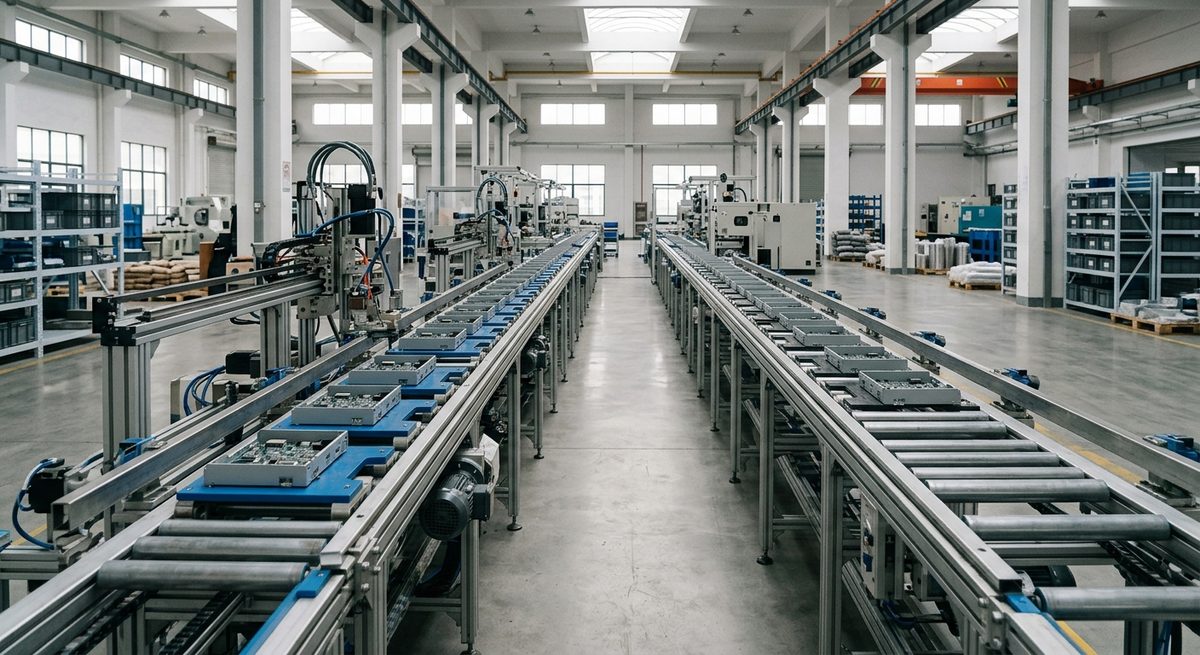
At a factory dinner in Shunde last winter, the owner recited a client’s very first order from memory: the model, the colour split, even the port it sailed to. That order was placed years ago and wasn’t large. What made it stick was everything after it: the reorder that arrived when the buyer said it would, the payment that landed on the agreed day, the complaint that came with photos and carton numbers instead of fury. Factories remember buyers the way buyers remember factories. If you plan to import for years rather than months, that memory is an asset you’re either building or burning with every interaction.
The second order is the real beginning
First orders are courtship. Both sides are careful, samples get triple checked, managers watch the line. The second order is where the true relationship starts, because now the factory is deciding what kind of customer you are: the forecast they can build around, or the stranger who might never return. Reorder even a modest quantity on a predictable rhythm and you change category. We’ve watched buyers with mid sized but steady volumes get treated better than larger buyers who appear once a year, shout, and vanish.
Tell suppliers your intentions, plainly. “We expect to reorder each quarter if quality holds” costs you nothing and reframes every decision the factory makes about you. They’ll hold tooling, keep your packaging plates, maybe reserve material. Silence gets you none of that.
Money is where trust is actually written
Forget the dinner toasts. A Chinese supplier relationship is recorded in payment history. Pay the deposit when you said, the balance when agreed, and within a few orders you have standing to discuss better terms: a smaller deposit, balance against documents, occasionally credit for buyers with real history. Factories extend terms to buyers whose money arrives like clockwork and to nobody else, and honestly, that’s fair.
The reverse also holds. Stretch a balance payment by three weeks with excuses and the factory will never say a word. Your next order just quietly loses its place in the queue. If you want the mechanics of how terms and trade structures evolve, Payment Terms & Incoterms: EXW vs FOB vs CIF vs DDP covers the ladder in detail.
Renegotiate with volume, not threats
Price talks land differently inside a relationship. Bring a bigger annual forecast, accept a longer lead time in the slow season, or consolidate two products with one supplier, and a discount becomes something the factory can afford to give. Demanding a cut “or we leave” works exactly once, and everyone in the building remembers it.
Complain like a customer they want to keep
Something will eventually go wrong. It does with every supplier we’ve ever used. What decides the relationship is the shape of the complaint. A complaint a factory can act on carries four things:
- Carton numbers and photos, so the batch can be traced on their side.
- A defect count measured against the standard you both signed.
- The remedy you’re asking for, stated once and specifically.
- A deadline that’s firm but physically possible.
Send that and most factories respond seriously, often generously. Send a paragraph of anger with no evidence and you’ll get soothing words and no change.
Ask for corrective action, not just compensation. A credit note repays you for one bad batch. A changed process protects every batch after it. The factories that engage with that conversation are the ones worth growing with, and the ones that won’t engage have told you something valuable too.
Show up between orders
Distance is the default state of this trade, and it erodes things. An hour’s visit between orders, yours or ours on your behalf, does more than a hundred messages. Walk the line, drink the tea, look at what they’re developing for other markets. In most sample rooms around Guangzhou and Foshan there’s a shelf where each regular customer’s golden samples sit wrapped in cling film, the name written on masking tape below. Buyers who visit have a full shelf. It isn’t sentiment. It’s the physical record of who the factory expects to see again.
Visits are also where you learn things messages never carry: that your product’s line got new equipment, that your contact is leaving, that material prices are about to move. We hosted a client last spring whose supplier mentioned, over lunch, a planned workshop move three months out. That single sentence saved his autumn delivery, because we scheduled around it.
Grow the trust, keep your eyes open
A strong relationship shouldn’t mean a blind one. Keep inspecting shipments, even from your best factory, just perhaps at a lighter sampling level than order one. Keep your spec sheets current so quality is measured, not remembered. And keep a second qualified supplier warm for any product your business can’t live without, which good factories understand better than buyers fear they will. We put clients’ repeat suppliers through the same periodic checks as new ones. Trust them. Verify anyway.
Relationships also ripen into new work. A supplier who trusts you will co-develop products, hold stock components against your forecast, and introduce you to their own trusted neighbours for categories they don’t make. Some of our longest running client wins started exactly that way, one factory boss walking us across the road to another. That’s how we ended up in Sourcing Power & Accessories from Guangzhou, China territory for a lighting client who’d never planned to sell chargers at all.
What buyers ask us about supplier loyalty
How many orders before I see real benefits?
There’s no fixed number, but the pattern is consistent: after three or four clean cycles, paid on time and reordered as forecast, you’ll notice priority in scheduling, more flexibility on small requests, and openness on terms. It arrives gradually. Then one busy season you realise your order made the cut and someone else’s didn’t.
Should I tell my supplier I’m also buying elsewhere?
For different products, certainly. For the same product, be honest but unspecific: serious factories know buyers hedge, and discovering a secret second source later damages more than disclosure ever would. The buyers who get burned are the ones caught pretending.
My contact at the factory left. Is my relationship gone?
Partly, if it lived only in that person’s chat history. Protect yourself by keeping the relationship institutional: specs, agreements and QC standards in documents the factory holds officially, not just in one salesperson’s phone. Then a handover is an inconvenience instead of a restart.
We manage long running supplier relationships for clients from right here in Guangzhou, visiting factories between orders and sitting on the same side of the table when terms get discussed. If you’ve got one good supplier and want it to become a durable one, get in touch and we’ll tell you what we’d do next, in person if you’re flying over.
Read next

Customs Paperwork Buyers Should Collect Before Shipping
The china export documents your broker will demand, explained by a Guangzhou sourcing team: what each paper does, who issues…
What Slows a Shipment Down After It Leaves the Factory
Most shipping delays from China happen between the factory gate and the vessel. A Guangzhou team maps where the days go and…