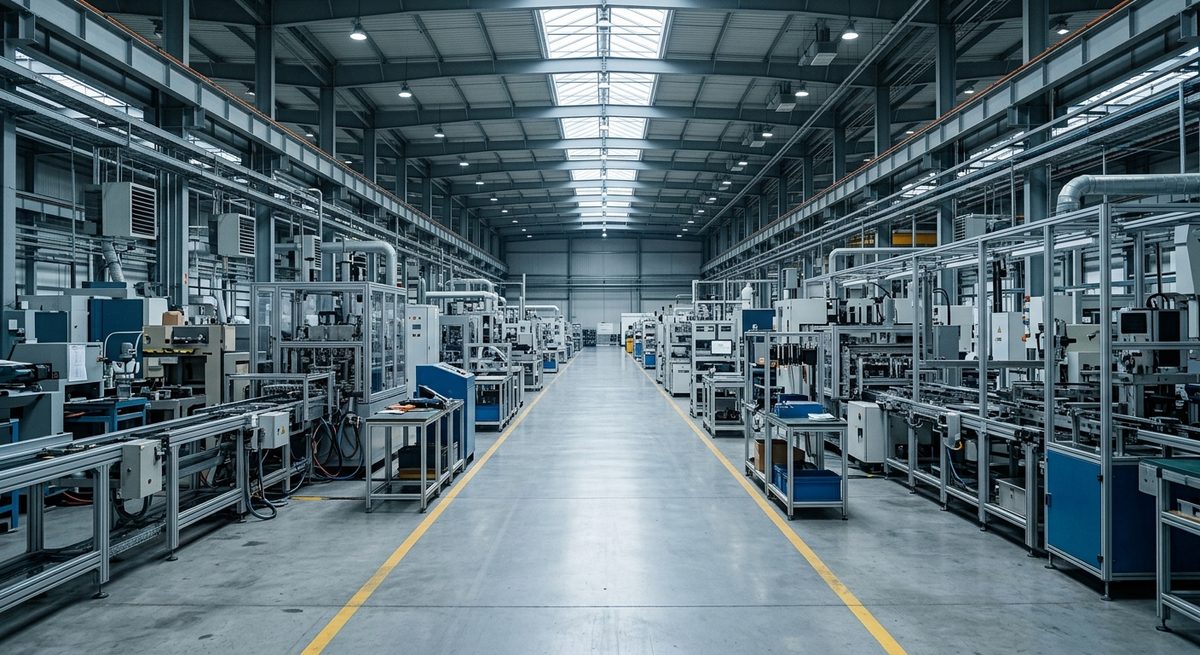
The showroom was beautiful. Glass shelves, spotlights, a wall of certificates in gold frames, chilled water in branded bottles. Forty minutes in, our client leaned over and whispered the right question: “When do we see the machines?” The sales manager smiled and suggested lunch. That’s the moment a visit either becomes useful or becomes theatre, and after years of escorting buyers, we can tell you the difference within the first hour. A factory tour in China is worth the travel only if you insist, politely and firmly, on seeing the boring parts.
The rooms that tell the truth
Any genuine production visit should move through four areas, in roughly this order, because the order itself mirrors how your product will be built.
Incoming materials
Ask to start where raw materials arrive. You’re looking for labelled storage, supplier names on cartons, and some visible check on what comes in, even if it’s just a clipboard and a scale. A factory that can’t show you where fabric, resin or components live either doesn’t hold materials, which means it may not be the maker at all, or holds them chaotically, which you’ll eventually feel in your defect rate.
The line, actually running
Insist on walking production while it operates. Not a silent hall on a Saturday. You want the noise, the pace, the half-finished goods on trolleys. Look at what’s being made around you: if you’re buying kettles and every line is sewing backpacks, you’ve learned something no brochure would admit. Count workers roughly. Look up, too. In a plastics shop the overhead dryers and material hoses tell you whether the machines are fed automatically or by a teenager with a bucket, and in summer the moulding hall will hit you like an oven wall while the office stays icy. Real production has a climate.
Quality control stations
Somewhere between line and warehouse there should be a table where people check things, with reference samples, defect photos on the wall, simple gauges. Ask what happens to a failed piece and watch where they point. A concrete answer, a rework shelf, a scrap bin with parts actually in it, is worth more than any framed certificate.
Warehouse and packing
Finished goods tell you about discipline. Cartons stacked on pallets, not on wet floors. Labels that match real orders for real customers. If export cartons carry familiar destination markings, the factory genuinely ships abroad, and that’s evidence you didn’t have this morning.
Two underrated stops: the canteen and the notice board. Staffing posters, production targets, safety notices with recent dates, a menu that changes, all of it shows a living factory rather than a staged one. Ask to walk past. Nobody serious refuses, and the thirty seconds it takes has changed our score on a plant more than once.
Questions that belong on the floor, not in the meeting room
- Which machines are yours, and which processes go outside to subcontractors?
- Who checks incoming material, and against what document?
- What’s the daily output of this line when it’s healthy?
- Can I meet the engineer who would handle my product, not just sales?
- What happened with the last order that went wrong, and what changed after?
That last one is our favourite. Every real factory has a story of a bad order. The ones who tell it plainly, with what they fixed, are the ones we trust with clients’ money. The ones who claim nothing ever goes wrong are telling you about their honesty, not their quality.
What to refuse, and how to say it
Refusals travel better wrapped in courtesy, so here’s the wrapping we use. If the visit stays in the showroom past the first half hour, say your schedule requires seeing production first and the showroom after. If you’re told the factory is “too far today”, offer to come tomorrow instead; watch the reaction carefully, because distance that can’t survive one extra day usually isn’t distance. If you’re driven to a different plant than the one on the paperwork, ask directly whose facility you’re standing in. Subcontracting isn’t a crime, but an unexplained switch is a red flag you should write down.
Also refuse the marathon lunch before the tour. Eat after. A two-hour banquet has ended more inspections than any locked door, and everyone at the table knows it. Say you’d love lunch once you’ve seen the line, and mean it. Nobody reasonable is offended.
Bring structure, or bring someone who has it
An unstructured wander produces warm feelings and no data. Carry a simple checklist, photograph consistently, and write scores within an hour of leaving. Product-specific knowledge multiplies all of it: in a garment plant, for instance, the cutting room and fabric relaxation area matter more than the sewing lines everyone photographs, which is a big part of what we cover in How to Order Textiles & Apparel from Guangzhou Manufacturing.
And if someone tours on your behalf, hold them to the same standard. A visit report should name the address visited, show timestamped photos of materials, line, QC and warehouse, and state plainly what wasn’t shown. We put our own reports through that filter, and our guide on How to Verify a Reliable Agent in Guangzhou tells you how to test whether anyone claiming to be your eyes here deserves the job.
What buyers ask before their first visit
How long should a proper visit take?
Half a day per factory is comfortable: an hour of introductions and spec talk, ninety minutes walking the floor, an hour on samples and pricing, buffer for the overruns that always happen. Squeezing three factories into a day means seeing none of them properly. If travel forces a tighter schedule, cut a factory from the list rather than an hour from each visit; a full picture of two candidates decides more than a blur of four.
Will factories be offended by detailed questions?
The good ones enjoy them. Serious questions signal a serious order, and floor managers often warm up visibly when a buyer asks about cycle times instead of just price. Polite persistence reads as professionalism here, not rudeness.
Can photos be taken freely?
Usually yes for general shots, though some plants restrict photos of other clients’ products or of tooling, which is fair. Ask before shooting close-ups. A factory that bans all photography everywhere, including of your own product’s line, is making a choice worth noting in your report.
We escort buyers on visits like this every week across Guangzhou, Foshan, Dongguan and Shenzhen, and when you can’t fly, we walk the floor with the same checklist and send you what we actually saw. If there’s a factory on your shortlist, send us the address through the site or WhatsApp and we’ll tell you what a visit there should cover.
Read next
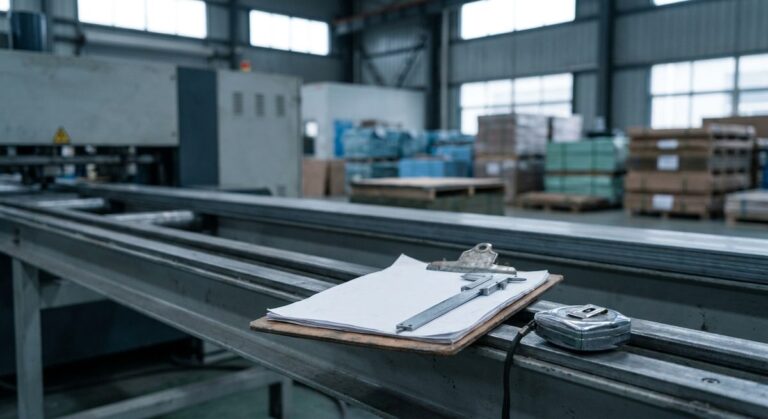
Factory Audit Checklist:
A factory audit gives you a clear picture of a supplier's production capabilities and product quality. It focuses on the…
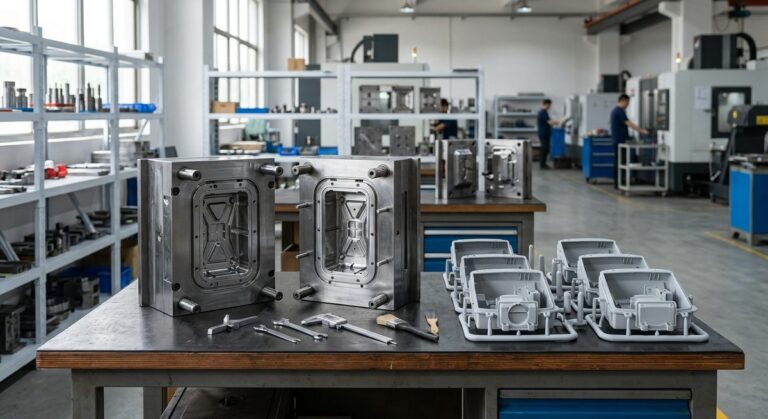
Sample Rounds: How Many You Need Before Production
How many rounds of product samples from China you actually need before mass production, what each round should prove, and…

Claw Machines from Panyu: Faults We Catch Before They Ship
The defects our inspectors find in Panyu claw machine factories, and the burn-in and calibration tests worth running before…