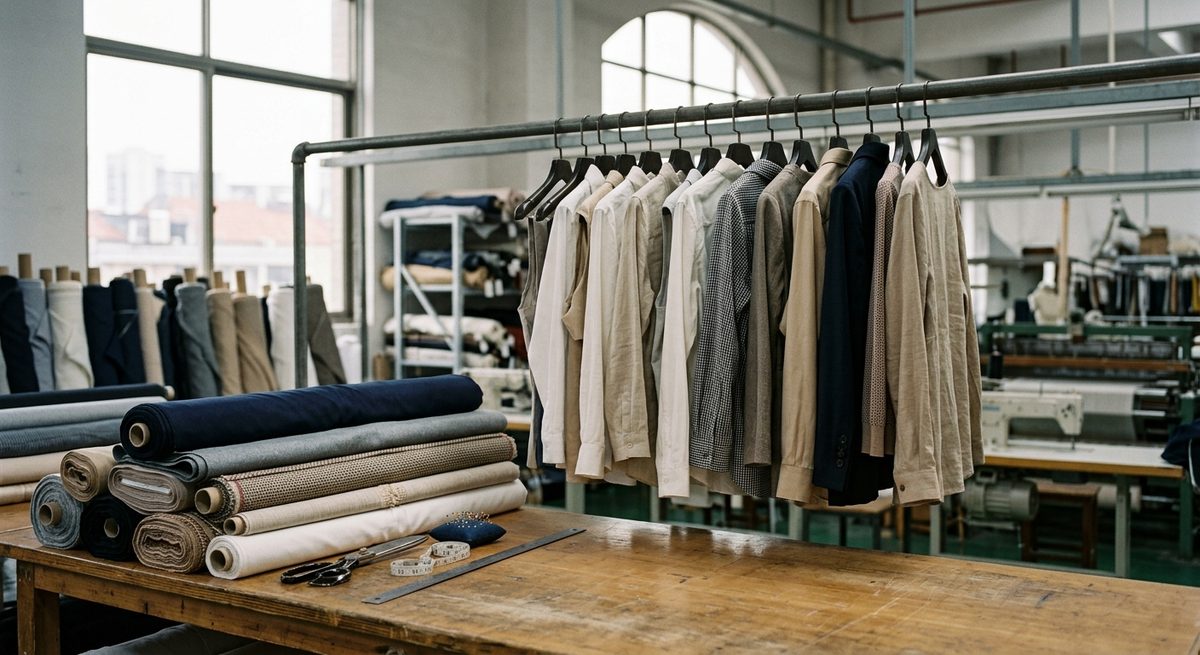
Why does one factory quote a printed tee at a dollar and another at four, for what looks like the same shirt? Anyone planning to import T shirts from China meets this spread in the first week of enquiries, and the answer is rarely that somebody is overcharging. The two quotes describe different fabric, different printing, different finishing. So let’s take the unit price apart line by line, the way we do with clients in the garment districts of Guangzhou, until the numbers in your inbox start meaning something.
The blank sets the floor
Before any ink touches it, a T shirt has a cost floor set by its fabric and cut. Weight is the headline number: light promotional tees commonly sit around 140 to 160 gsm, while retail streetwear runs heavier, often 200 gsm and up. Then the yarn. Combed ring-spun cotton feels smoother and prints better than carded open-end, and it costs more. Blends move the price again, in either direction depending on fibre markets.
Cut and construction add their own lines. Side-seamed shirts with a tailored fit cost more to sew than tubular bodies, and details like double stitched hems, taped necks and heavier ribbing each add cents that multiply across thousands of pieces. A quote that looks impossibly low usually resolves to a lighter, carded, tubular blank. That can be exactly right for a giveaway shirt. For a brand asking retail prices, it’s exactly wrong.
Printing is where quotes quietly diverge
Print method is the second big lever. Screen printing carries a set-up charge per colour and per design, so its unit cost falls fast with volume: painful for fifty pieces, efficient for five thousand. Digital methods flip that curve. Direct to garment and the newer transfer processes skip screens entirely, which suits small runs and busy multicolour designs, but the per-piece cost stays flatter as volume grows. Stand near the dryer tunnel on a screen line for a minute, feeling the heat from three metres away and smelling the plastisol, and you’ll understand the set-up charge: nobody fires all of that up for fifty shirts.
Placement and size matter as much as method. A small left-chest mark is one thing; a front and back print with an oversized design plus a sleeve hit can multiply the decoration cost. Specialty inks, puff, metallics and water-based soft-hand finishes each move the line again. Fix the artwork first, then let the volume choose the method. Not the other way round.
Small line items with real weight
The lines buyers skim past are the ones that surprise them at invoice time. Woven neck labels, printed inner neck marks, hang tags, stickers, folding and single polybagging each cost little on their own and add up across an order. Size ratio matters too: factories price against a standard curve, and an order heavy in XXL uses more fabric per piece.
These small choices are also where a generic shirt becomes a brand. Clients who build your own brand with our team typically settle labels, tags, packaging and artwork in one pass, so the factory quotes the finished retail-ready product instead of adding extras one email at a time.
The hidden maths behind the quote
Beyond the visible spec sit costs that never appear as quote lines but shape the true unit price. Sampling comes first: a proper pre-production sample with your fabric, print and labels usually carries a charge, often credited on bulk. Then the defect allowance. Even a good run includes some seconds, and your margin should assume a small percentage won’t sell at full price.
Repeat orders change the maths in your favour. Screens exist, patterns are graded, the factory knows your standard, and in many cases the second run of the same design lands cheaper and faster than the first. That’s why I’d think twice before chasing a marginally lower quote from a new factory every season. It often costs more than it saves.
From ex-factory price to landed cost
The factory quote isn’t the number that matters; the landed cost per shirt is. Getting there adds inland transport from the workshop, export clearance, ocean or air freight, destination charges and your local delivery. T shirts pack densely, so sea freight per piece is modest on full cartons, and buyers combining tees with hoodies or caps from other workshops can share the cube. Our consolidation and export handling exists for exactly this case: several suppliers, one shipment, one set of documents.
Import duty and tax belong in the calculation too, but rates differ by country and by the shirt’s exact classification, so confirm the tariff code and rate with your own customs broker before you price the retail line. Guessing that line is how a healthy margin turns thin at the port.
Where budgets leak on tee orders
After enough printed apparel orders through Guangzhou, from the Shisanhang garment trading district to the knit factories of Humen, the same leaks show up over and over:
- Choosing a blank by price alone, then paying for it in returns and reviews.
- Printing small runs by screen when a digital method suited the volume better.
- Forgetting labels, tags and polybags in the target price, then bolting them on late.
- Air freighting a missed deadline that a two week earlier start would have avoided.
- Skipping the pre-production sample to save one week and one small fee.
None of these are exotic mistakes. They’re calendar and specification mistakes, and a clear order plan removes most of them before the first shirt is cut. It’s the reason two businesses can import T shirts from China at the same factory price and land at very different margins.
Cost questions buyers raise on tee orders
Is a cheaper blank ever the right choice for a printed design?
For event and promotional shirts with a short life, a light carded blank is often the rational buy. For a retail brand, fabric hand is part of the product, and a difference of well under a dollar per piece at the factory can decide whether customers reorder. Match the blank to the shirt’s job, not to the lowest quote.
How many print colours make screen printing expensive at small volume?
Each colour adds a screen and a set-up charge, so a six colour design across a few hundred pieces carries noticeable set-up cost per shirt. In many cases designs above three or four colours at small runs price better through digital or transfer methods. Ask the factory to quote the same artwork both ways. It’s a five minute email.
Does splitting an order across two designs raise the price?
Usually yes, a little. Two designs mean two set-ups and sometimes two fabric lots, and factories commonly set the minimum per design rather than per order. If you want a range, keep the designs on the same blank and colour where possible so cutting and sewing stay efficient.
Our team works from Guangzhou, within easy reach of the printing workshops and knit factories that produce these orders, and we host buyers who want to touch fabric, see print samples and watch packing lines in person. Send a message through the contact form or WhatsApp, and if your plans bring you to China we’ll meet you here and take you to the factories ourselves.
Read next
Sourcing Yoga Clothing and Studio Equipment in Guangzhou: A Practical Guide to Quality, Manufacturing and Importing
A practical guide for yoga studios and brands sourcing clothing, mats and accessories through Guangzhou, with advice on…
What Drives the Price of a Cap? Cost Anatomy from Guangzhou Factories
Understand the real unit cost before you import caps from China: fabric, embroidery stitch counts, tooling and freight,…
Building a Swimwear Label with Xingcheng and Guangdong Mills
Plan to import swimwear from China under your own label. Prints, moulded cups, linings, packaging and artwork explained by a…